
Last updated September 25, 2026
Non-destructive entry first, always - and we re-key Schlage, Kwikset, and Baldwin locks on the spot while you watch
You get a price before we start. It does not change when we arrive. No surprises.
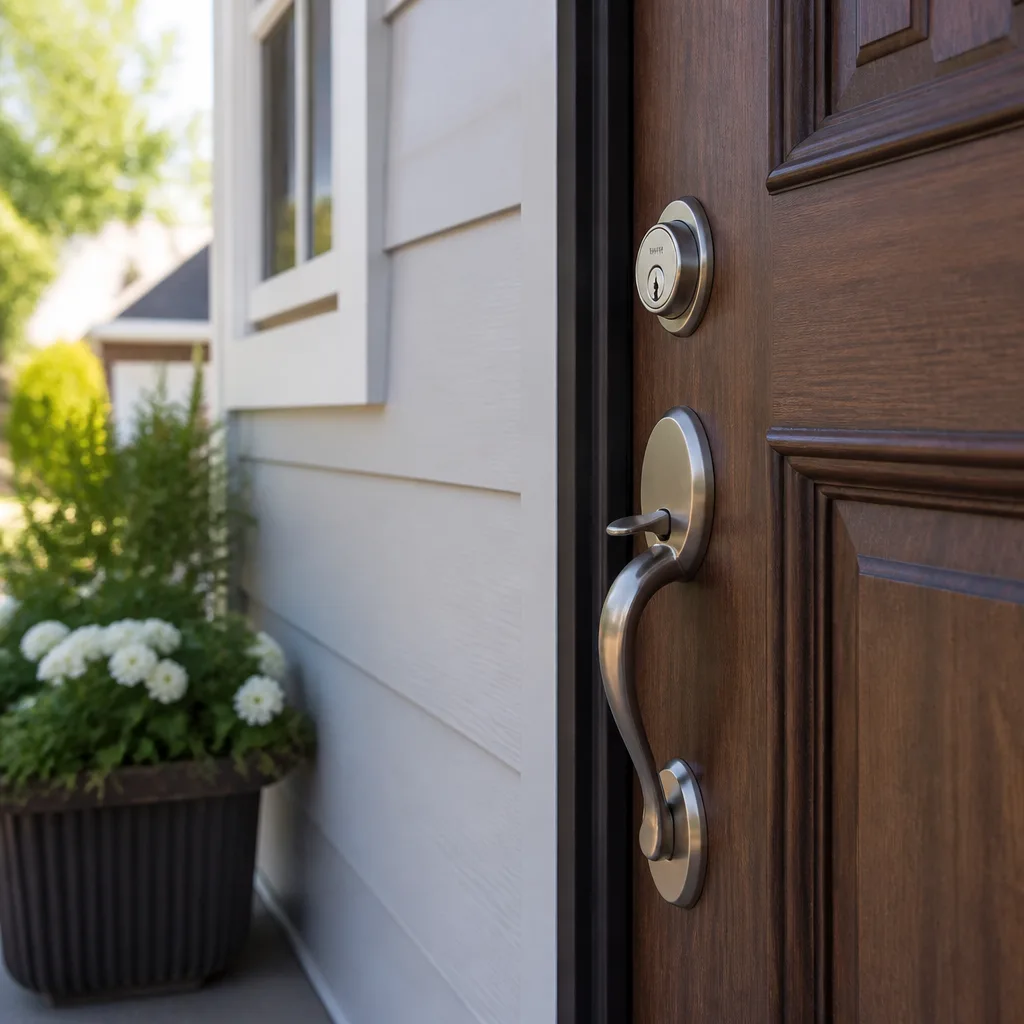
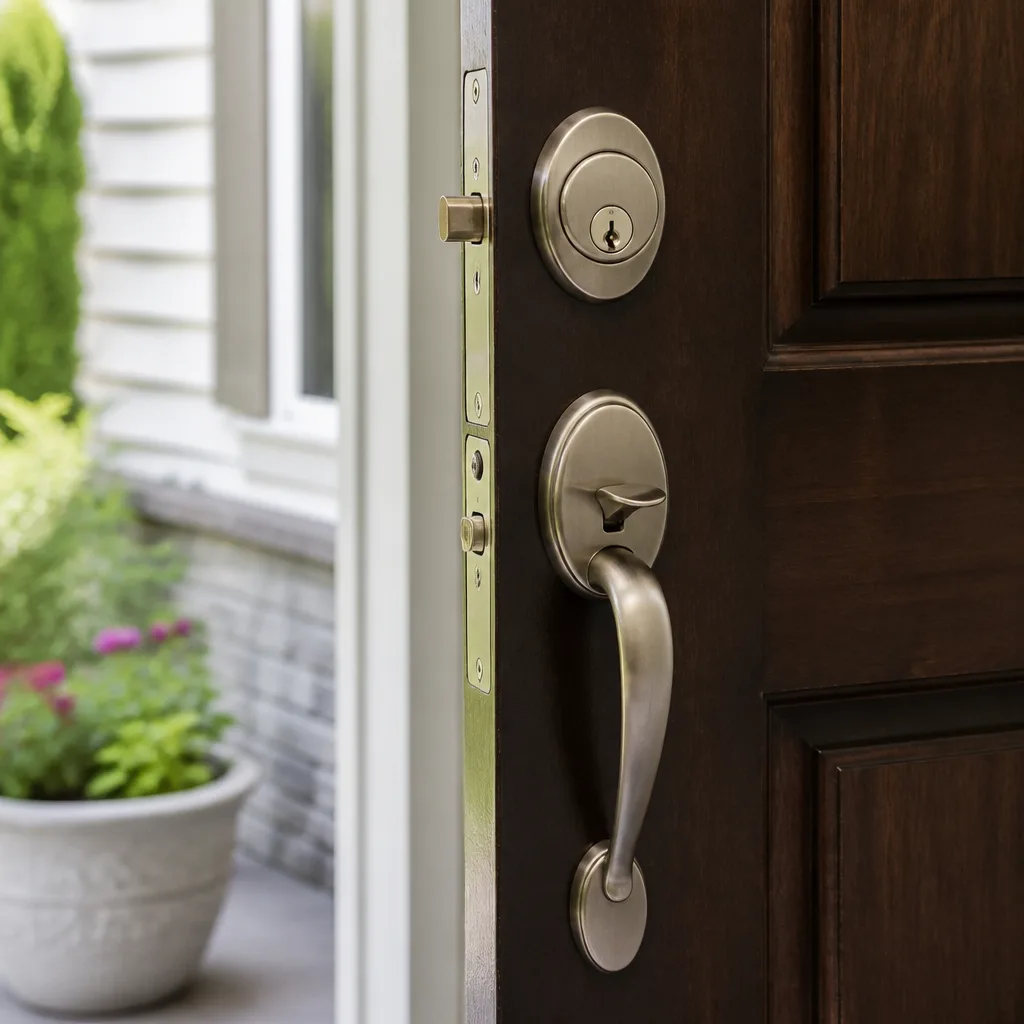
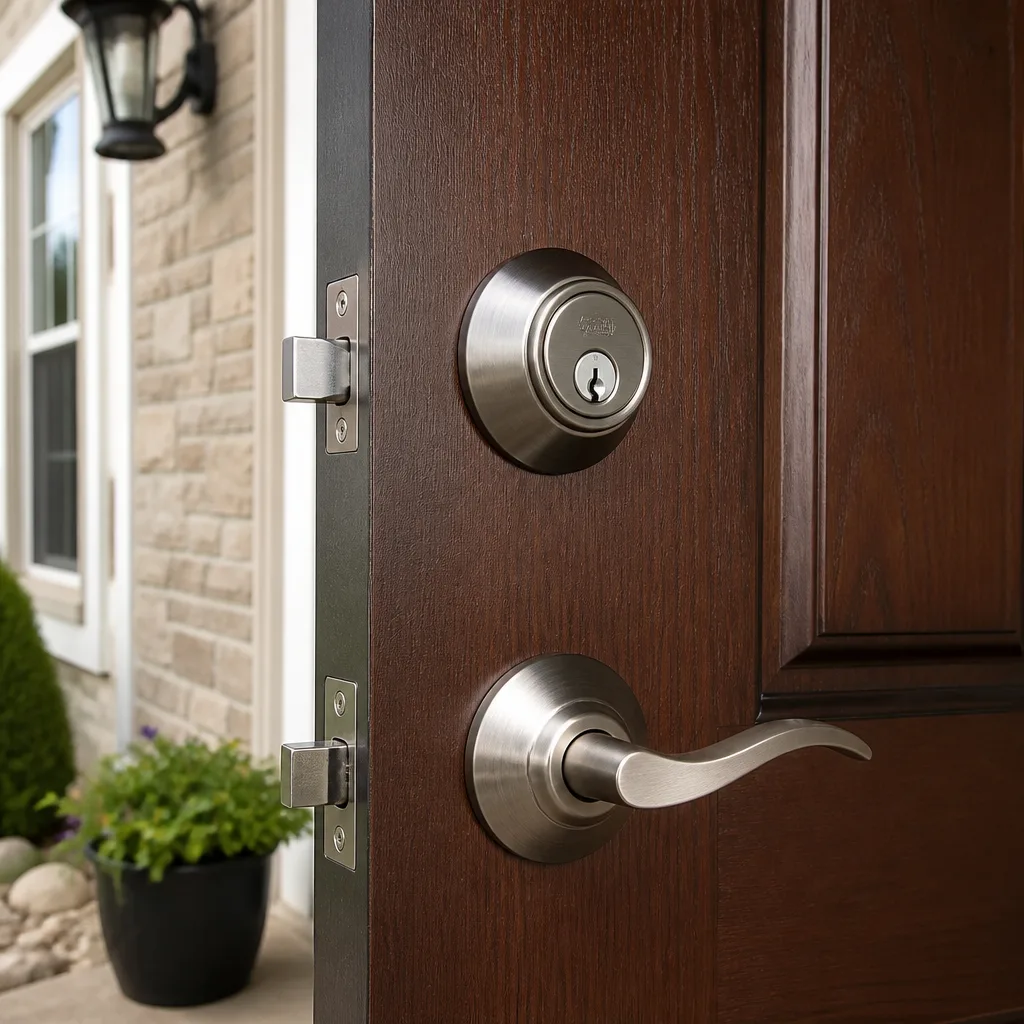
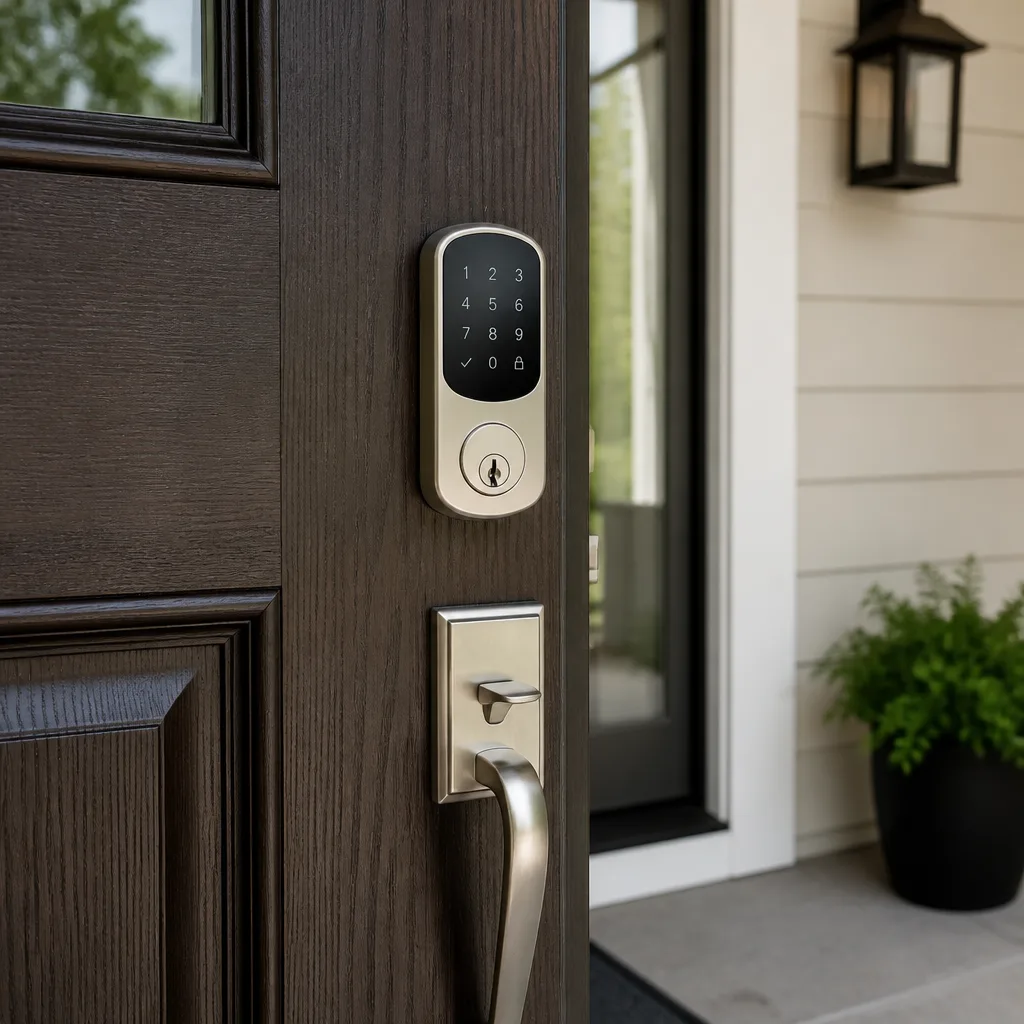
How to Hire a Locksmith Contractor in Phoenix: A Step-by-Step Guide
The most dangerous moment in hiring a Phoenix locksmith isn’t choosing the wrong company - it’s skipping the price confirmation step because you’re locked out at midnight and just want someone there fast. That single skip is how a $75 job becomes a $400 invoice. In a market where legitimate operations and ghost storefronts share the same Google listing format, the real skill isn’t finding a locksmith. It’s vetting one in under ten minutes before you hand over your address. This guide - along with our more guides & resources - walks you through a five-step sequence that filters out bait-and-switch operators before anyone knocks on your door.
Quick Answer
To hire a locksmith contractor in Phoenix, verify Arizona DPS registration online, confirm a firm written price by text or email before dispatch, and demand that the invoice match the quoted total exactly. This three-part check, which takes under ten minutes, eliminates virtually every fraudulent or bait-and-switch operator in the Phoenix market.
Table of Contents
- Why the Phoenix Locksmith Market Rewards Vetting Over Speed
- The Five-Step Vetting Sequence (Under 10 Minutes)
- How to Verify Arizona DPS Locksmith Registration
- The Written Price Confirmation: Your Strongest Protection
- What to Do When the Price Changes at the Door
- How to Read a Post-Job Invoice Like a Technician
- Common Mistakes to Avoid
- When to Call a Professional
- Frequently Asked Questions
- The Bottom Line
Why the Phoenix Locksmith Market Rewards Vetting Over Speed
Phoenix is a sprawled, car-dependent metro where lockouts happen in 115-degree parking lots and new construction outpaces code enforcement, dynamics we cover in our Locksmith Warning Signs: A Phoenix Homeowner’s Reference Guide. The same dynamics that make locksmith services essential here - rapid growth, extreme heat degrading hardware, a transient population - also make the market attractive to operators who optimize for speed of extraction rather than quality of work.
We’ve been serving Phoenix since 2002, and the pattern hasn’t changed: a customer in Arcadia or Desert Ridge searches “locksmith near me,” clicks the first result with a local phone number, and assumes Google has done the vetting. It hasn’t. The search results surface legitimate companies, lead-generation middlemen, and entirely fictitious storefronts with equal visual authority. Every listing has a phone number, a truck icon, and a promise of fast response. None of those elements confirm that a licensed technician will arrive with a known price and documented credentials.
The Phoenix market has specific risk factors worth naming:
- Extreme heat cycles warp door frames and expand metal components, causing lock failures that appear sudden but result from gradual thermal stress. An unqualified technician sells you a full replacement when a strike-plate adjustment would suffice.
- Master-planned communities in areas like Verrado or Estrella often use proprietary hardware specified by the developer. A technician unfamiliar with Phoenix’s construction patterns may damage a specialty lock rather than source the correct replacement.
- Winter seasonal residents return to find seized locks, creating demand spikes that attract fly-by-night operators who disappear before warranty issues surface.
The customer who researches in calm conditions - before the lockout, before the break-in, before the tenant turnover - is the customer who avoids the $400 invoice. The sequence below is designed for that moment.
The Five-Step Vetting Sequence (Under 10 Minutes)
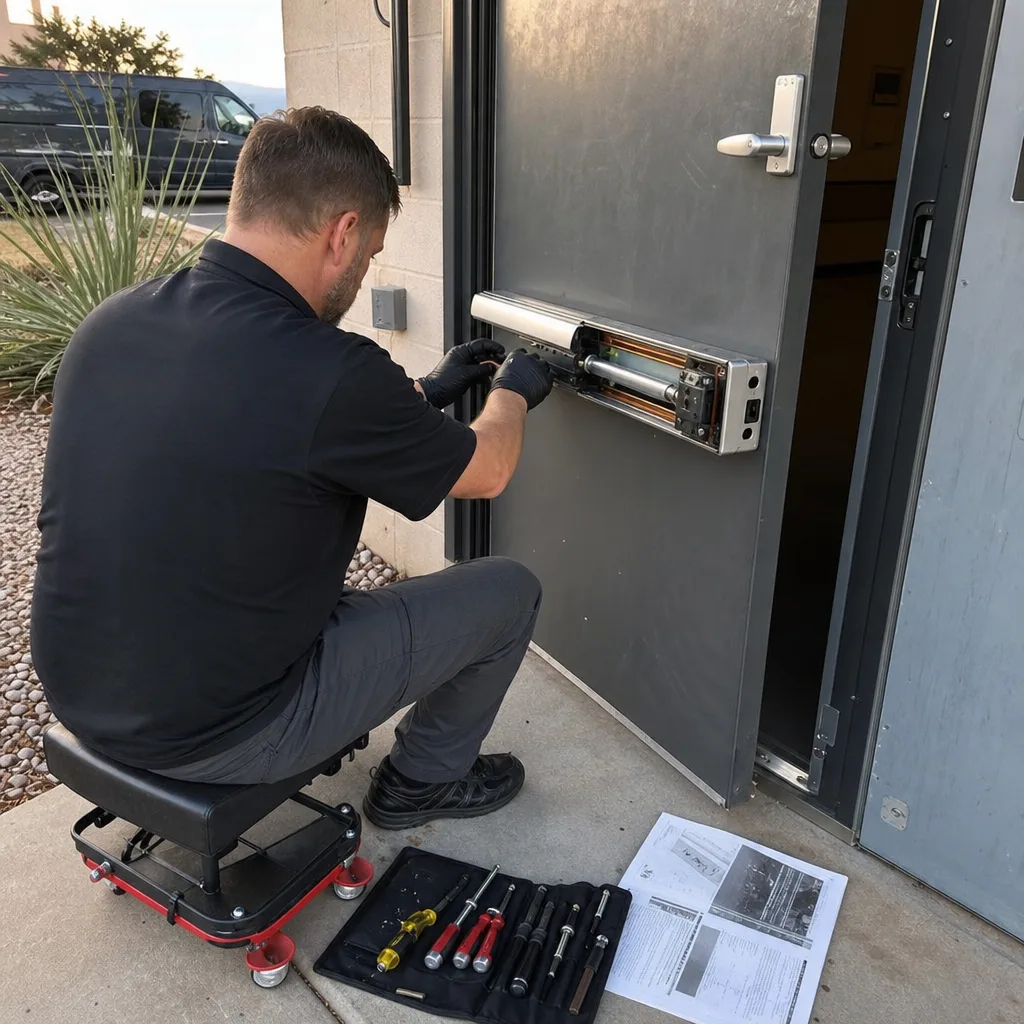
This sequence assumes you have internet access and a phone. It works for emergency and scheduled work alike. Each step builds on the previous one; skipping a step voids the protection of the steps that follow.
Step 1: Confirm Arizona DPS Registration
Every locksmith operating in Phoenix must hold a valid registration with the Arizona Department of Public Safety. This is not optional, not a “license” in the municipal sense, and not replaceable by a business license from the City of Phoenix. We detail the lookup process in the next section. If a company cannot or will not provide a registration number, stop. This single filter eliminates the majority of fraudulent operators.
Step 2: Request a Firm Written Price Before Dispatch
Call the company. Describe the job precisely: “I need a deadbolt rekeyed on a single-family home in Ahwatukee,” or “I’m locked out of a 2019 Honda Accord in downtown Phoenix.” Ask for the total price, inclusive of labor, parts, service call, and any after-hours surcharge. Request that this price be sent by text or email. A legitimate operation will comply. An operator intending to escalate at the doorstep will resist, offering ranges, “starting at” figures, or dispatch-first policies. Haven Standard Clause 1: the price on the phone is the price on the invoice. We’ve operated under this rule since 2002.
Step 3: Verify the Technician’s Identity on Arrival
A uniformed technician with a marked vehicle and company ID should arrive. The vehicle should display the same business name you called. Ask to see the technician’s DPS registration card. This is standard practice, not an insult. A professional expects it.
Step 4: Confirm the Price Before Work Begins
Before the technician touches your lock, confirm the written price. If the technician presents a different figure, reference your written confirmation and decline the work. We detail your exact rights and language in the doorstep defense section below.
Step 5: Review the Invoice Before Payment
The invoice should name the specific hardware installed or serviced, the quantity of keys cut, the labor rate, and the total. Generic line items like “service call” or “labor” without breakdown are red flags. We detail proper invoice structure in its own section.
These five steps, executed in sequence, take eight to twelve minutes and reduce your risk of fraud to near zero. The operators who depend on pressure, urgency, and obscured pricing cannot survive this process.
How to Verify Arizona DPS Locksmith Registration
Arizona does not license locksmiths at the state level in the traditional sense. Instead, the Department of Public Safety maintains a registry of fingerprint-cleared individuals authorized to perform locksmith work. This distinction matters: a “business license” from the City of Phoenix or a contractor’s ROC number does not confer locksmith authorization. Only DPS registration does.
The lookup takes under two minutes:
- Navigate to the Arizona DPS website and locate the “Fingerprint Clearance Card” or “Locksmith Registry” search function.
- Enter the individual’s name or registration number if provided by the company.
- Review the status: active, expired, or not found.
What the lookup will tell you: whether the individual has passed a criminal background check and holds current authorization to perform locksmith services in Arizona.
What the lookup will not tell you: the quality of the person’s work, their years of experience, or whether the company dispatches employees or subcontracts to unvetted independents. This is why Step 1 is necessary but not sufficient. We combine it with the written price confirmation in Step 2 to close the gap.
In our experience serving Phoenix since 2002, customers who perform this lookup before calling back are significantly less likely to report price disputes. The act itself signals to the company that you are an informed buyer, which deters operators who depend on customer passivity.
One Phoenix-specific note: the DPS registry covers individuals, not business entities. A company may have one registered locksmith and dispatch unregistered subcontractors. Ask directly: “Will the technician who arrives hold a current DPS registration?” Record the answer.
The Written Price Confirmation: Your Strongest Protection
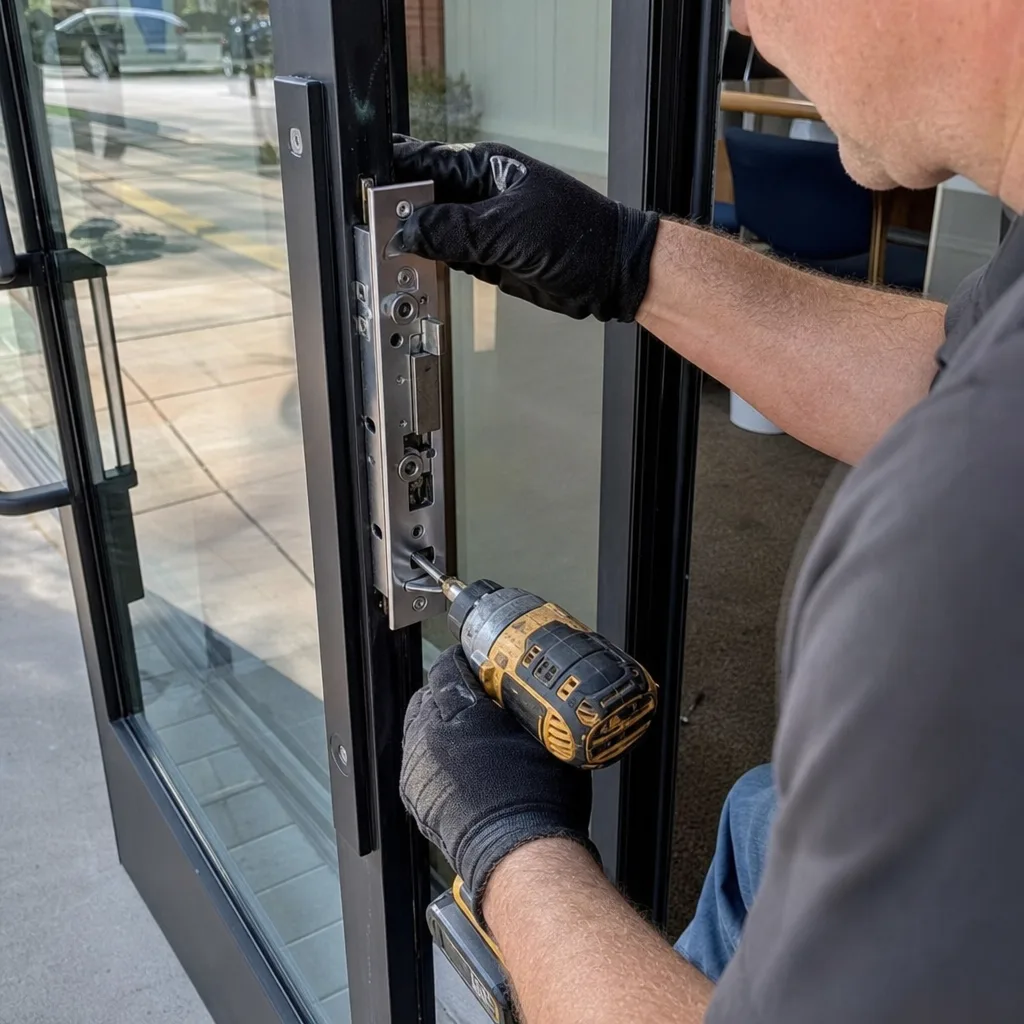
The single most protective action a customer can take is obtaining a written confirmation of the total price before anyone is dispatched. Not a range. Not a “starting at” figure. Not a verbal estimate. A confirmed total, sent by text or email, that the technician is contractually bound to honor.
Here’s why this matters in the Phoenix market specifically. Our summer temperatures create predictable surges in automotive lockouts - children or pets locked in vehicles, keys left in ignitions during quick errands. These emergencies generate panic, and panic generates hasty decisions. A customer in a 118-degree parking lot at Scottsdale Fashion Square is not in a position to negotiate. Operators who exploit this dynamic quote low verbally and escalate on arrival, knowing the customer will pay to resolve the crisis.
The written price confirmation breaks this pattern. It creates a documented record that Arizona consumer protection statutes recognize as a binding commitment. If the technician arrives with a different figure, you have evidence of deceptive practice.
What a proper written confirmation includes:
- Service description: “Rekey of single deadbolt, Kwikset or equivalent grade”
- Total price: “$127, inclusive of labor, parts, and service call”
- After-hours surcharge: “$0” or specific amount if applicable
- Dispatcher name and timestamp: creates accountability
- Company identifier: business name matching the DPS-registered entity
At Novak Lock & Security Phoenix, this confirmation is standard procedure, not a customer request. Haven Standard Clause 1 prohibits our technicians from altering the quoted price at the door. The dispatcher quotes a firm price, the system timestamps it, and the technician’s handheld displays the confirmed total before work authorization. Since 2002, we have not deviated from this process across 60,000+ jobs.
If a company refuses written confirmation, that refusal is itself diagnostic. Legitimate operations have nothing to hide. The operators who depend on ambiguity will offer excuses: “Our technician needs to see it first,” “Prices vary by situation,” “We can’t quote sight unseen.” For a standard rekey or lockout, these are pretexts. A trained dispatcher can quote firm prices for standard services based on a two-minute phone description.
What to Do When the Price Changes at the Door
Despite your vetting, you may encounter a technician who quotes a higher price than confirmed. This is the critical moment. Your response in the next sixty seconds determines whether you pay the inflated figure or send the technician away.
Exact language to use:
“The price confirmed by [dispatcher name] at [time] was $[amount]. I have it in writing. I will pay that amount and no more. If this is not acceptable, please leave and I will contact another company.”
Then stop talking. Do not negotiate, do not request an explanation, do not invite a revised figure. The technician knows the confirmed price. Any deviation is intentional.
Your rights under Arizona consumer protection law:
- A.R.S. § 44-1522: Unfair or deceptive acts or practices are unlawful. A confirmed price followed by a higher demand at the point of service qualifies.
- A.R.S. § 44-1531: The Attorney General may seek injunctive relief and civil penalties against violators. Documented evidence strengthens enforcement action.
- Practical recourse: File a complaint with the Arizona Attorney General’s Consumer Protection Division. Include your written price confirmation, the technician’s name and vehicle information, and any invoice presented.
In Phoenix, you may also contact the Phoenix Police non-emergency line if the technician refuses to leave or becomes confrontational. A legitimate locksmith departs professionally when declined. An operator who pressures or intimidates has confirmed your suspicion.
One additional protection: photograph the technician’s vehicle, including license plate, before they depart. This documentation supports any subsequent complaint and deters operators who prefer anonymity.
How to Read a Post-Job Invoice Like a Technician
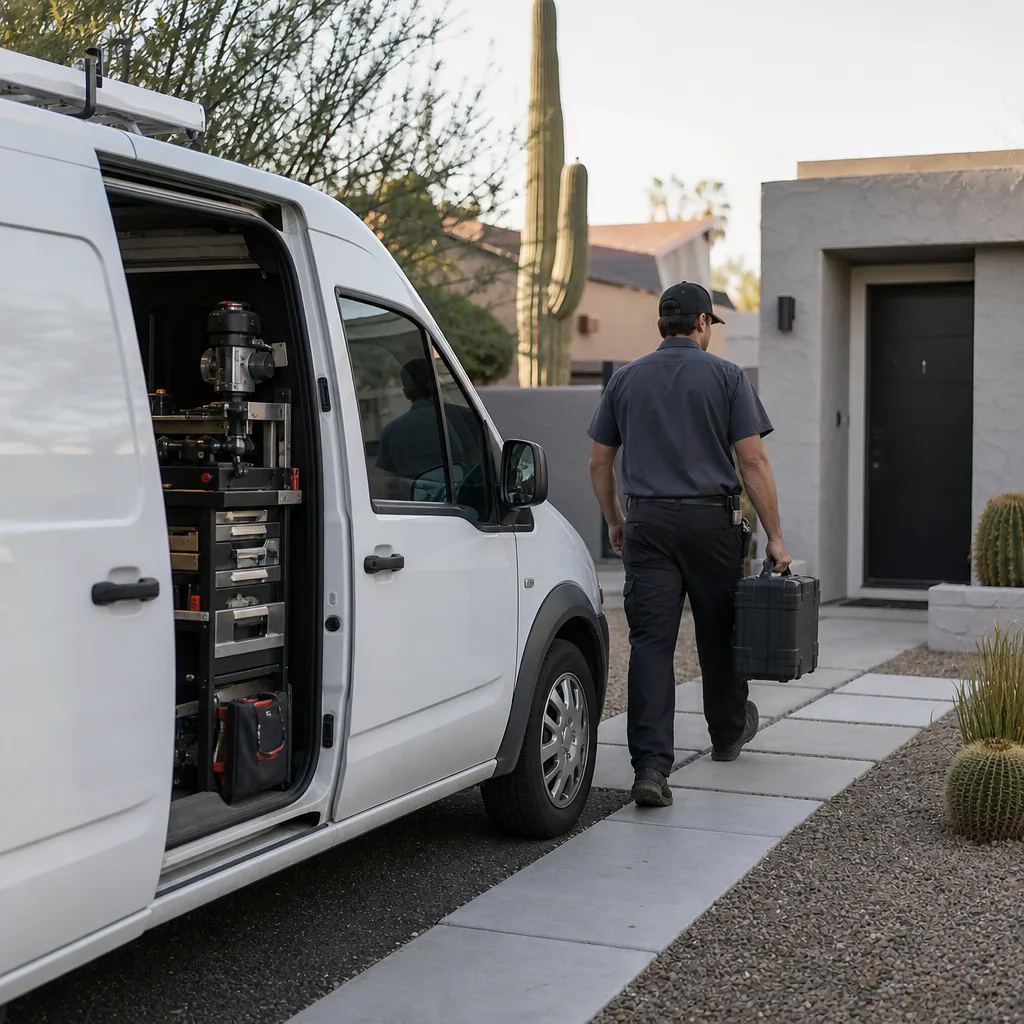
The invoice you receive after locksmith work should tell a complete story of what was done, with what materials, at what rates. Generic invoices are a red flag; they obscure the details that would reveal substandard work or inflated pricing.
Every legitimate locksmith invoice should include:
| Line Item | What It Tells You | Red Flag If Missing |
|---|---|---|
| Cylinder brand and model | Whether you received the hardware you paid for | Generic “deadbolt” or “lock” without brand |
| Key quantity and type | How many keys were cut; whether they are standard or restricted | No key count; “keys included” without number |
| Labor rate and hours | What you paid for time versus materials | Flat “labor” with no rate or time breakdown |
| Service call fee | Base charge for dispatch | Hidden in inflated labor or parts |
| Total price matching confirmation | Verification of Haven Standard Clause 1 compliance | Any deviation from written confirmation |
Specific brand examples you might see on a Phoenix invoice: Baldwin for premium residential hardware, Mul-T-Lock for high-security cylinders with restricted keyways, Sargent for commercial grade 1 applications, or Abloy for pick-resistant disc-detainer systems. If you paid for high-security and the invoice names a standard grade, you have a documented discrepancy.
At Novak Lock & Security Phoenix, every invoice includes a documented photo record of the completed work, left with the customer as standard procedure. This is not an upgrade. The photo shows the installed hardware, the cylinder face, and the keyway - evidence that matches the invoice line items. Since 2002, this documentation has resolved every warranty question before it became a dispute.
Request your photo record if it is not offered. A company that cannot produce it may not have performed the work described.
Common Mistakes to Avoid
- Searching only by proximity. The closest result in Google Maps is not the most legitimate. Ghost listings optimize for location signals, not operational integrity. Vet before you prioritize distance.
- Accepting “starting at” pricing. A $19 service call that balloons to $300 on arrival is a known pattern in the Phoenix market. The starting figure is bait; the final invoice is the switch. Only confirmed totals protect you.
- Skipping DPS verification for “established” brands. National directory sites and familiar-sounding company names do not guarantee local, registered operation. Verify the specific technician who will arrive.
- Paying before reviewing the invoice. Pressure to pay immediately, especially with demands for cash or Zelle, precedes most fraud reports. Review the document, confirm the details, then pay by traceable method.
- Ignoring seasonal operator patterns. Phoenix sees influxes of unregistered operators during winter snowbird season and summer heat peaks. DPS verification is especially critical October through April and June through August.
- Failing to document the interaction. Save your written price confirmation, photograph the technician’s vehicle, and retain the invoice. These records transform a bad experience into an enforceable complaint.
When to Call a Professional
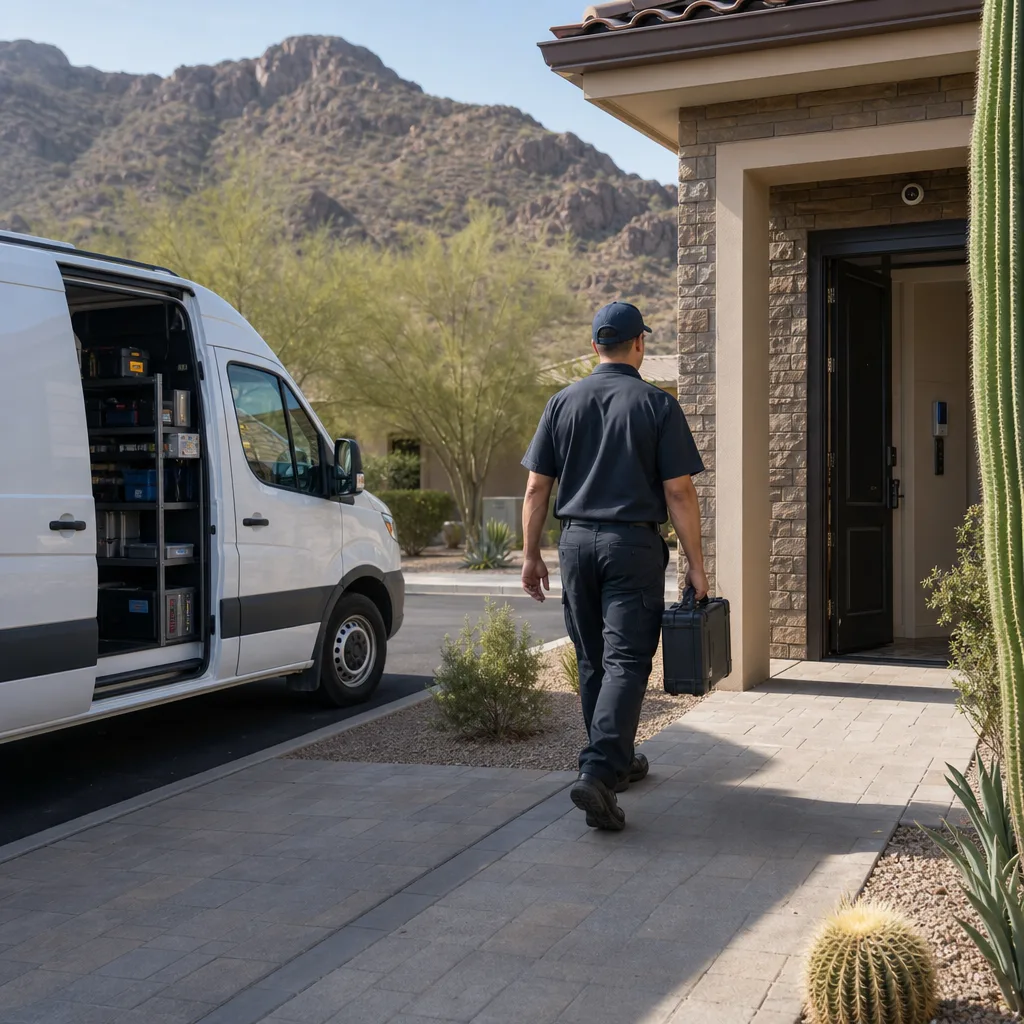
Certain situations in Phoenix demand immediate professional intervention rather than attempted self-resolution. Extreme heat makes automotive lockouts potentially life-threatening; a child or pet locked in a vehicle at 115 degrees requires emergency services, then a locksmith. Similarly, a break-in with compromised locks should not wait for comparison shopping - the security gap is active, and temporary securing followed by permanent replacement is the correct sequence.
For scheduled work - rekeying after a move, upgrading to high-security cylinders, installing access control systems in Phoenix commercial properties - the vetting sequence above applies in full. Take the ten minutes. The security improvement lasts years; the vetting investment lasts minutes.
Novak Lock & Security Phoenix offers free estimates for all scheduled work in Phoenix and surrounding communities. Call (480) 376-7170 to discuss your project, receive a firm written price by text or email, and schedule a background-checked, uniformed technician under The Haven Standard.
Frequently Asked Questions
For detailed pricing context, see our Locksmith Cost Breakdown: The Phoenix Homeowner’s Reference for 2026. Lock rekeying in Phoenix typically runs $89-$147 per cylinder for standard residential hardware, while emergency lockout service ranges $127-$195 during standard hours. High-security installations with brands like Mul-T-Lock or Abloy start higher due to restricted keyways and specialized pinning. At Novak Lock & Security Phoenix, we quote a firm total by text or email before dispatch, with no call-out surcharge added on arrival. Call (480) 376-7170 for an exact quote - estimates are free.
Yes, if you hire a company that operates under a written-price guarantee. Haven Standard Clause 1 requires that the price on the phone is the price on the invoice, with no technician override permitted. Since 2002, we have not altered a confirmed price at a customer’s door. If a company cannot make this commitment in writing, the final price is unpredictable.
Arizona locksmiths must hold DPS registration, not a municipal business license. Verify through the Arizona Department of Public Safety online registry using the individual’s name or registration number. The lookup confirms background clearance but not work quality, which is why we combine it with written price confirmation and documented photo records on every visit.
State the confirmed price, show your written documentation, and decline any higher figure. Request that the technician leave. If they refuse, contact Phoenix Police non-emergency. File a complaint with the Arizona Attorney General’s Consumer Protection Division, including your written confirmation and any invoice presented. You are not obligated to pay more than the confirmed total.
Emergency response times in Phoenix average 25-45 minutes depending on your location, traffic conditions, and time of day. Central Phoenix neighborhoods like Roosevelt Row or Encanto typically see faster response than outlying areas like Anthem or New River. For scheduled work - rekeys, installations, security assessments - we survey and book appointments with a two-hour arrival window. Call (480) 376-7170 to confirm current availability.
Pin-tumbler rekeying requires a key gauge, pinning kit, and practice to execute without damaging the cylinder. A mis-pinned lock may function intermittently or fail to key alike with other cylinders in your home. For standard Kwikset or Schlage hardware, the parts cost and learning curve often exceed a professional rekey. For high-security cylinders from Baldwin, Mul-T-Lock, Sargent, or Abloy, factory-authorized service preserves warranty coverage and ensures proper key control. We provide free second opinions on any written estimate if you want to compare DIY costs against professional service.
The Bottom Line
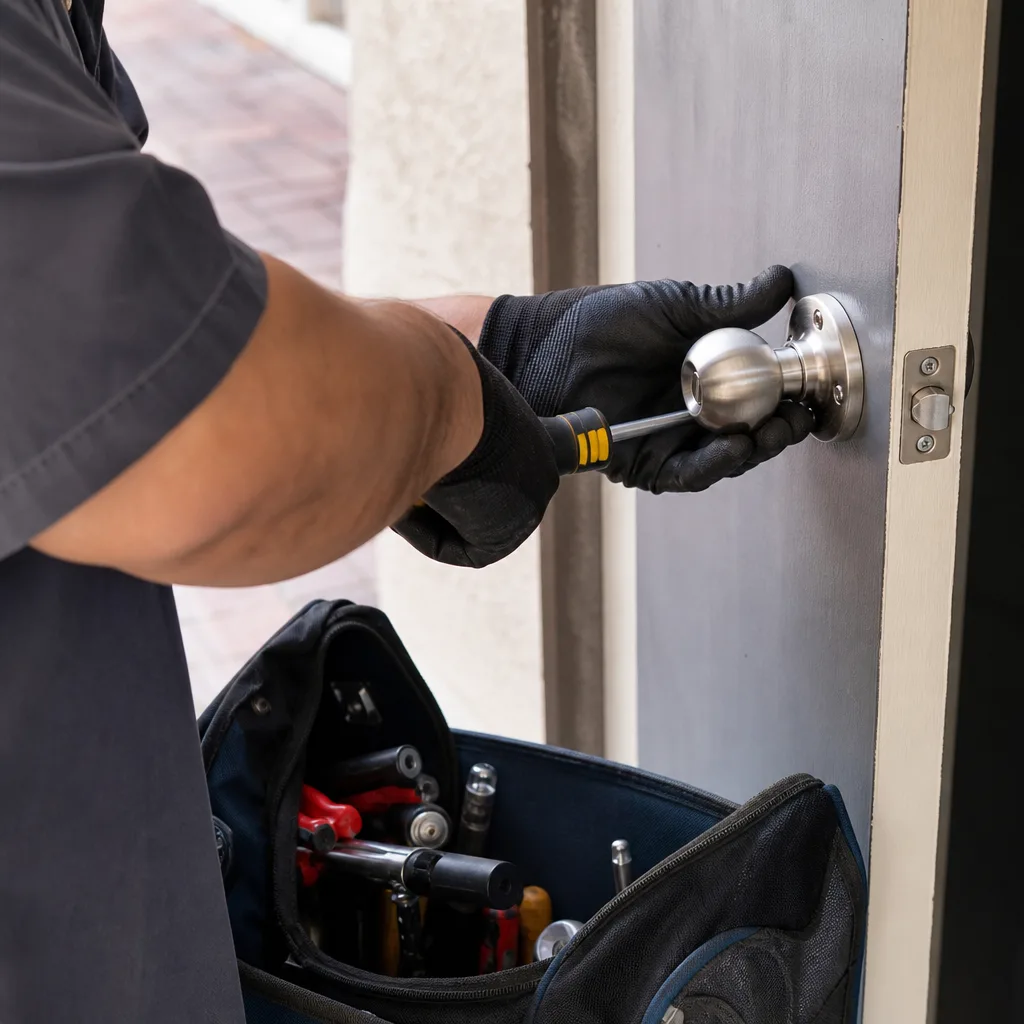
Hiring a locksmith in Phoenix is a vetting problem disguised as a search problem. The tools to solve it are available, free, and fast: DPS registration lookup, written price confirmation, technician identity verification, invoice review, and documented payment. The five-step sequence in this guide takes under ten minutes and eliminates the operators who depend on your haste. The legitimate companies - the ones with registered technicians, confirmed pricing, and documented work - welcome this scrutiny. We built residential locksmith in Phoenix and commercial locksmith in Phoenix services on exactly these procedures since 2002, because a real name on the van and a real price on the invoice is the entire argument in a trade built on trust.
Call (480) 376-7170 for a free estimate. We’ll confirm a firm price in writing before anyone is dispatched, and the technician who arrives will carry the same documentation we expect you to request.
Written by Daniel Novak, Owner at Novak Lock & Security Phoenix, serving Phoenix since 2002.