
Last updated September 25, 2026
Non-destructive entry first, always - and we re-key Schlage, Kwikset, and Baldwin locks on the spot while you watch
You get a price before we start. It does not change when we arrive. No surprises.
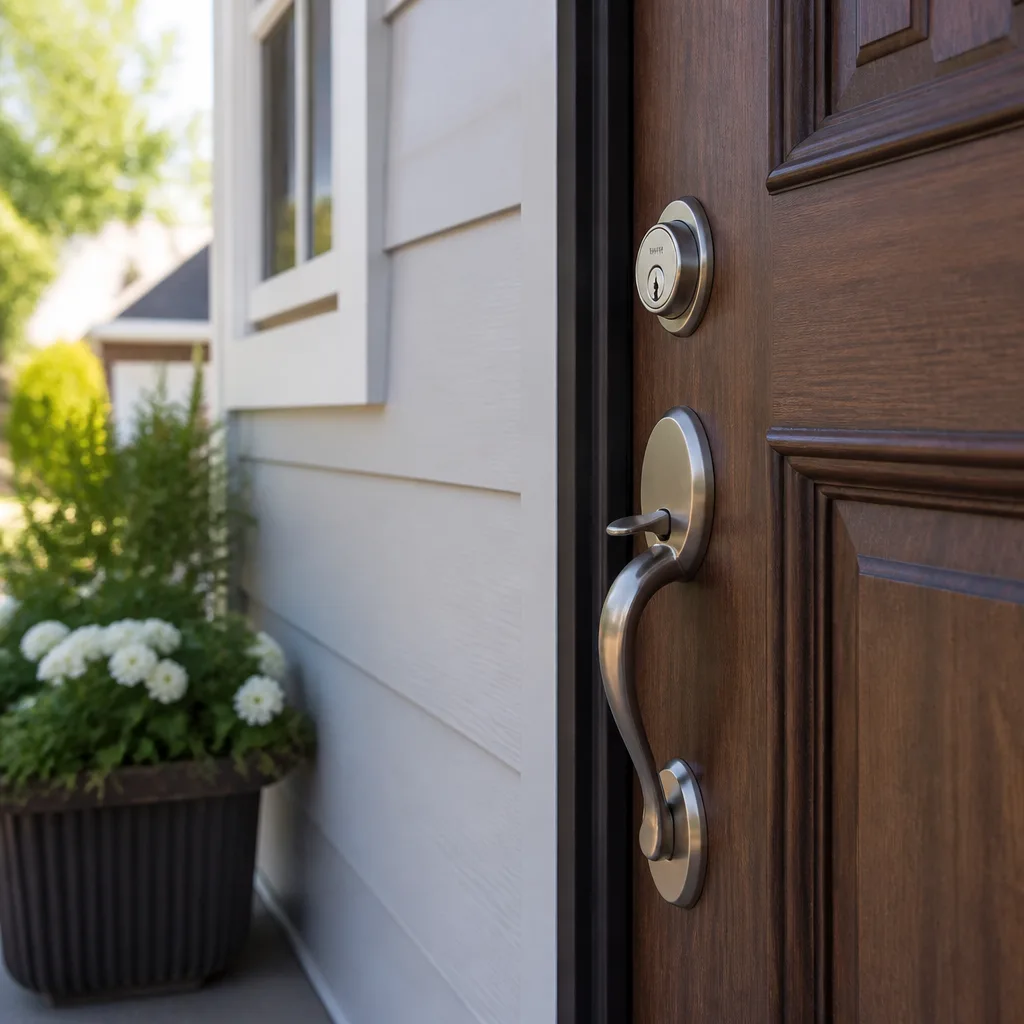
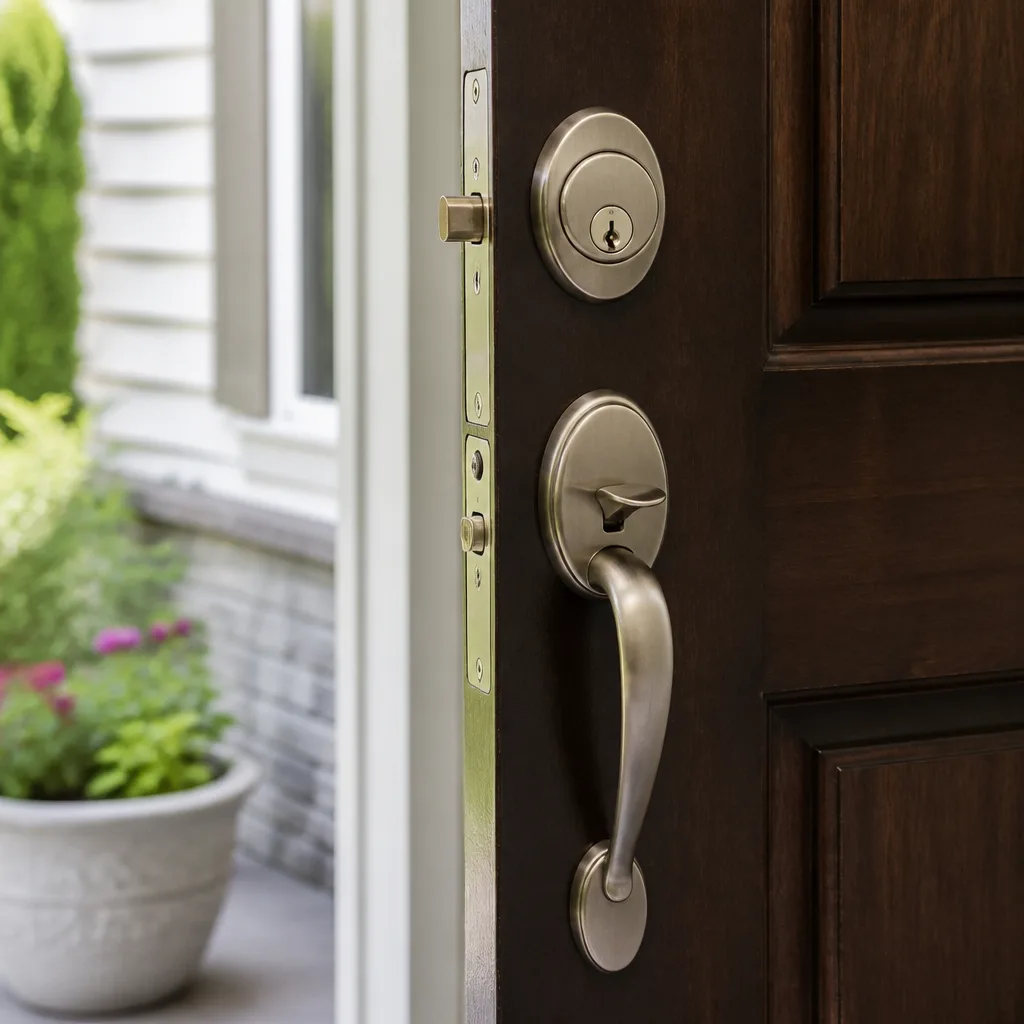
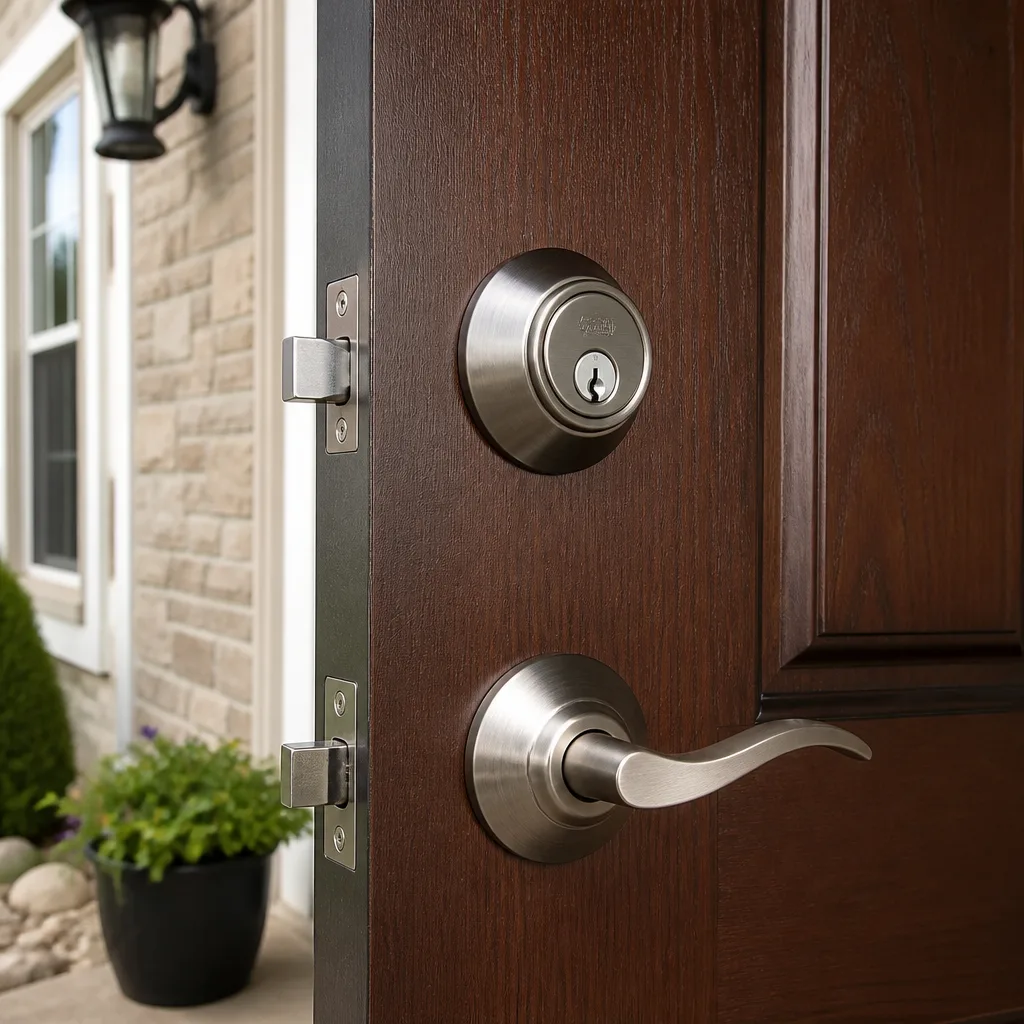
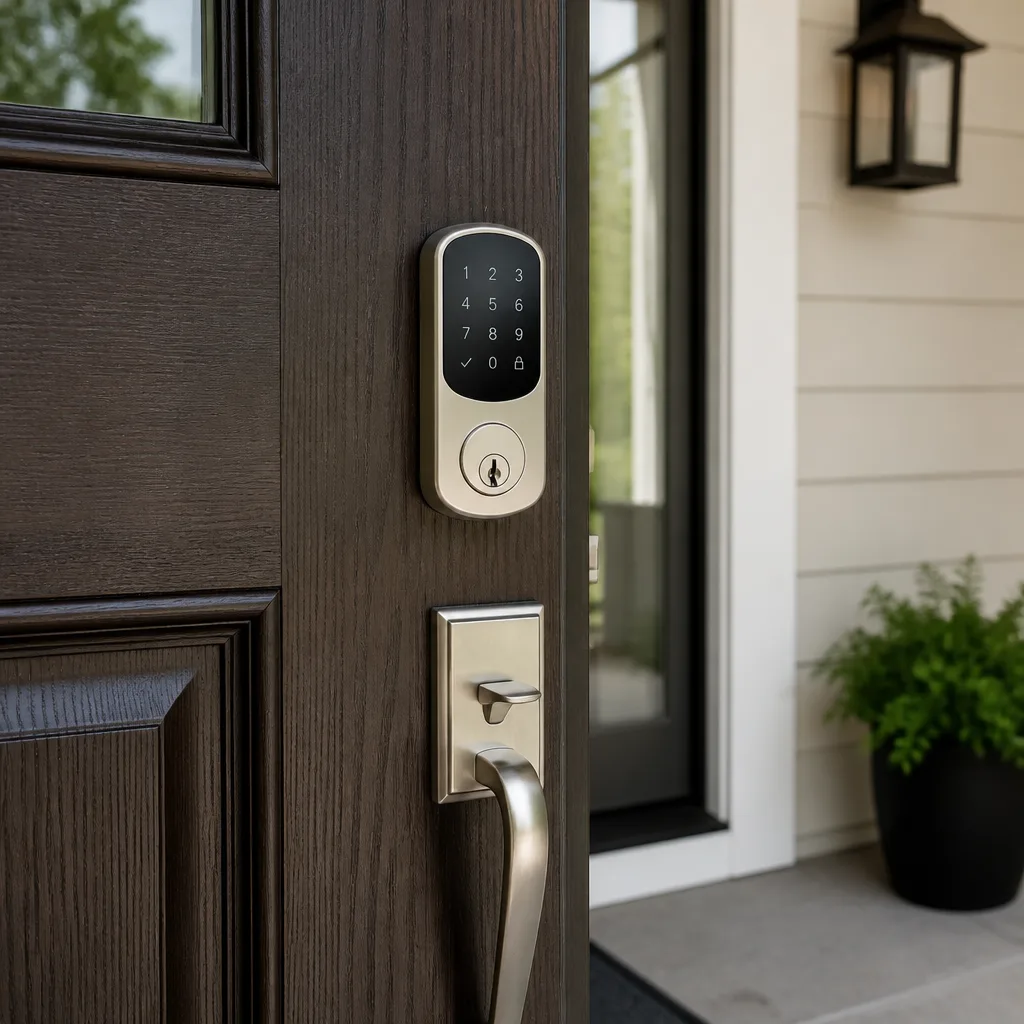
DIY vs Professional Locksmith: The Phoenix Homeowner’s Decision Guide
The most expensive DIY locksmith mistake isn’t a broken cylinder or a scratched door. It’s an improperly installed deadbolt that passes a visual inspection but fails under a kick test, leaving a homeowner with a false sense of security and a void in their renters or homeowners insurance claim if it’s ever breached. In Phoenix, where monsoon humidity swells door frames and shifts strike plates out of alignment, this scenario plays out more often than you’d expect. This guide draws the line at the task level, not the difficulty level, so you can decide which jobs belong in your garage and which ones require a documented, professional record. For more guides & resources, see our blog.
Quick Answer
Most Phoenix homeowners can safely rekey their own Kwikset or Schlage locks with a commercial rekey kit, replace a like-for-like deadbolt on an existing prep hole, or change a keypad lock battery. Tasks that involve strike plate adjustment on steel frames, smart lock programming without factory resets, adding new lock holes to doors, or any work requiring documentation for insurance or landlord compliance should be handled by a professional locksmith. The dividing line is not skill - it’s whether a mistake creates a hidden security gap or a paper trail problem.
Table of Contents
- What Homeowners Can Reasonably DIY
- The Hidden Risks of Strike Plate Work
- Smart Locks and Programming Traps
- The Real Cost of DIY Rekeying
- When Documentation Matters More Than Skill
- Phoenix-Specific Factors: Monsoons, Code, and Climate
- How to Vet a Professional Locksmith
- Common Mistakes to Avoid
- When to Call a Professional
- Frequently Asked Questions
What Homeowners Can Reasonably DIY
Certain locksmith tasks have a clearly defined failure mode. If something goes wrong, you see it immediately, and the fix is obvious. These are the jobs that belong in the DIY column.
Rekeying with a Commercial Kit
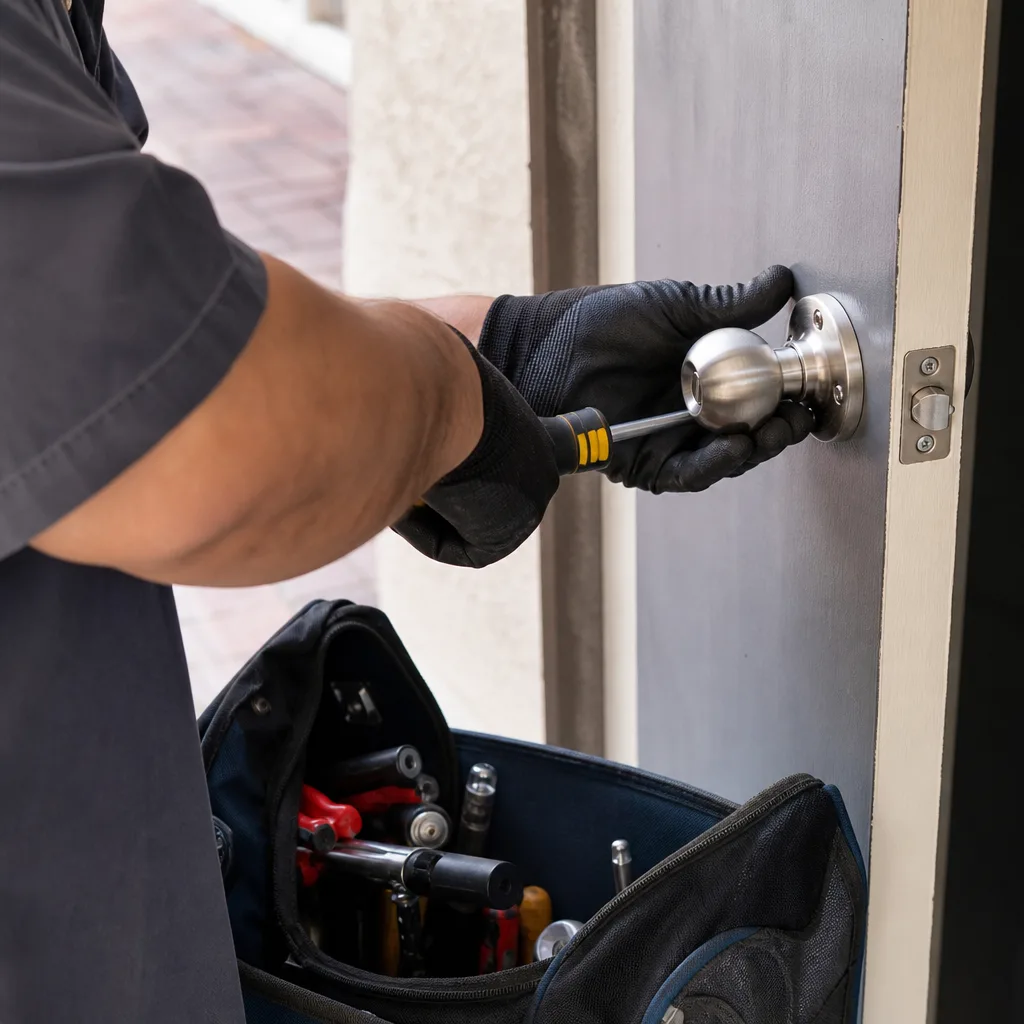
If you have standard Kwikset or Schlage pin-tumbler cylinders and a commercial rekey kit (typically $12-$25 for a five-pin kit with follower, plug holder, and key gauge), rekeying is mechanically straightforward. The process involves removing the cylinder, sliding the plug out with a follower tool to keep the top pins in place, replacing the bottom pins to match a new key’s bitting, and reassembling.
Where DIY rekeying goes wrong: losing a top pin during disassembly (they’re under spring pressure), installing pins in the wrong chamber, or failing to verify the new key works smoothly before reinstalling the cylinder. A sticky key after reassembly means you’ve made an error. The failure mode is immediate and visible - the key doesn’t turn - so you know to disassemble and correct it.
What you won’t get with DIY: a record of which key bitting corresponds to which lock, a warranty on the work, or verification that the cylinder itself isn’t worn to the point of failure. In our experience across Phoenix, about 15% of cylinders brought in for rekeying after a homeowner attempt have damaged plug retainer clips or scratched chambers from improvised tools.
Like-for-Like Deadbolt Replacement
Replacing a deadbolt on an existing prep hole - same backset (2-3/8″ or 2-3/4″), same door thickness, same face plate shape - is a reasonable homeowner task. The failure modes are visible: the bolt doesn’t extend fully, the thumb turn binds, or the strike plate doesn’t align. These are correctable with patience and a chisel.
Keypad Lock Battery Changes
Most residential keypad locks, including popular Yale and Schlage models, have a straightforward battery compartment accessible without disassembly. Use the manufacturer-specified battery type (usually four AA alkalines), note the polarity diagram, and test all codes after replacement. The failure mode is immediate: the lock doesn’t respond or throws a low-battery warning.
What to Have On Hand
- A quality Phillips #2 and flathead screwdriver set - not the $6 hardware store combo
- A 1″ wood chisel for strike plate adjustment on wood frames only
- Graphite lubricant, not WD-40, for sticky cylinders
- The original installation manual for any smart lock (factory reset procedures vary by firmware version)
The Hidden Risks of Strike Plate Work
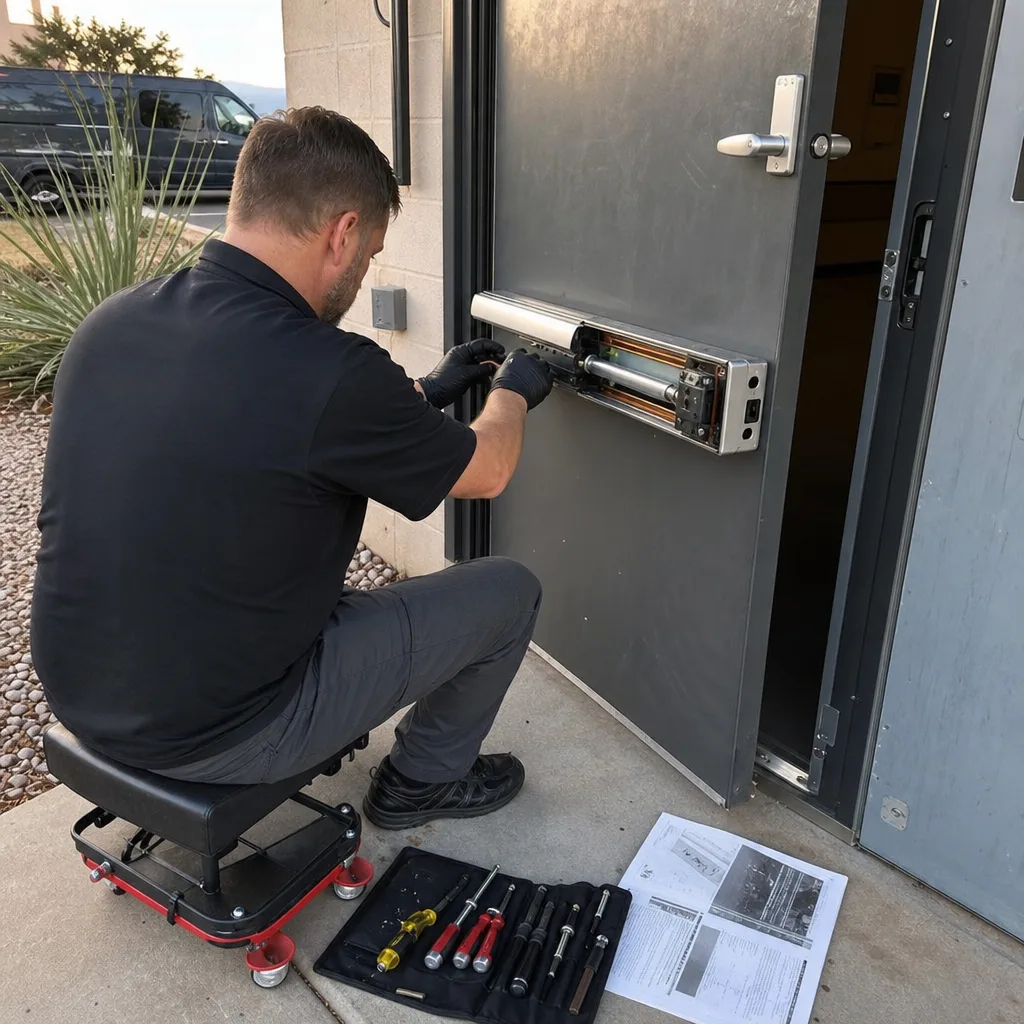
Strike plate adjustment looks like the simplest job in locksmithing. It is also the most commonly botched, and the consequences are invisible until forced entry occurs.
A deadbolt’s security value depends entirely on the strike plate being secured to structural framing with screws that penetrate the jamb stud - typically 3″ minimum. The standard screws included with most residential deadbolts are 3/4″ to 1″, which anchor only to the door jamb itself, a 3/4″ thick piece of pine that splinters under impact. A proper installation uses a box strike or reinforced plate with 3″ screws into the framing.
The DIY error pattern we see in Phoenix: a homeowner notices the deadbolt is sticking, assumes the strike plate is misaligned, and moves the plate without verifying whether the original location was actually correct. They fill old screw holes with toothpicks or dowels, relocate the plate 1/8″ in some direction, and drive the original short screws into compromised material. The deadbolt now appears to function. It latches. The thumb turn rotates. But the strike plate has no structural connection to the framing, and the filled holes have no holding power.
On steel door frames - common in Phoenix condominiums and townhomes built after 2005 - this error is worse. Steel frames use threaded inserts or self-tapping screws into 18- to 20-gauge metal. Once stripped, the insert is destroyed. Relocating the strike plate requires welding a new insert or using a specialized oversize thread repair. A homeowner with a drill and optimism typically enlarges the hole, creating a permanent compromise that requires frame replacement.
The insurance problem: if a burglary occurs and the adjuster documents a non-standard strike plate installation, coverage can be disputed. We’ve reviewed claims where the homeowner’s policy required “maintained security devices” and the insurer argued that a modified strike plate without professional installation voided the relevant rider.
Residential locksmith services in Phoenix include strike plate assessment as standard on every deadbolt installation we perform. We document the framing condition, the screw depth, and the plate grade in the photo record left with the customer.
Smart Locks and Programming Traps
Smart lock installation splits into two distinct tasks: physical mounting and digital configuration. The physical part is usually DIY-appropriate. The programming rarely is.
The Master Code Problem
Every smart lock ships with a factory default master code, typically printed on a card in the packaging. This code cannot be recovered if lost. Before programming any user codes, the installer must change the master code and record it in a secure location. The failure mode here is not immediate - it’s catastrophic when it surfaces.
We’ve responded to calls in Arcadia, Biltmore, and North Central Phoenix where a homeowner programmed user codes without changing the master, discarded the packaging, and later needed to add or delete a code. Without the original master, factory reset requires physical disassembly and jumper contact procedures that vary by firmware revision. Some Yale models require removing the interior escutcheon and shorting specific pins while powering on. Get it wrong and the lock bricks.
The Previous Owner Problem
Phoenix’s housing turnover rate is high. In 2023 and 2024, Maricopa County recorded resale rates above historical averages in neighborhoods like Roosevelt Row, Willo, and Encanto-Palmcroft. Every smart lock on a purchased home should be factory reset before programming, even if the previous owner handed over all codes. Z-Wave and Zigbee locks retain network pairing information that isn’t visible in the local interface. A previous owner’s hub may still have administrative access.
Integration Failures
Smart locks sold as “works with Alexa” or “HomeKit compatible” often require specific hub firmware, specific app versions, and specific inclusion sequences. The failure mode is a lock that functions locally but fails to integrate, leaving the homeowner with a $250 deadbolt that doesn’t do the thing they bought it for. Professional installation includes verification of all claimed integrations before the technician leaves.
When DIY Makes Sense
- Replacing batteries on an already-configured lock
- Adding a temporary guest code when you have the master code documented
- Removing and reinstalling the same lock on the same door for painting
The Real Cost of DIY Rekeying
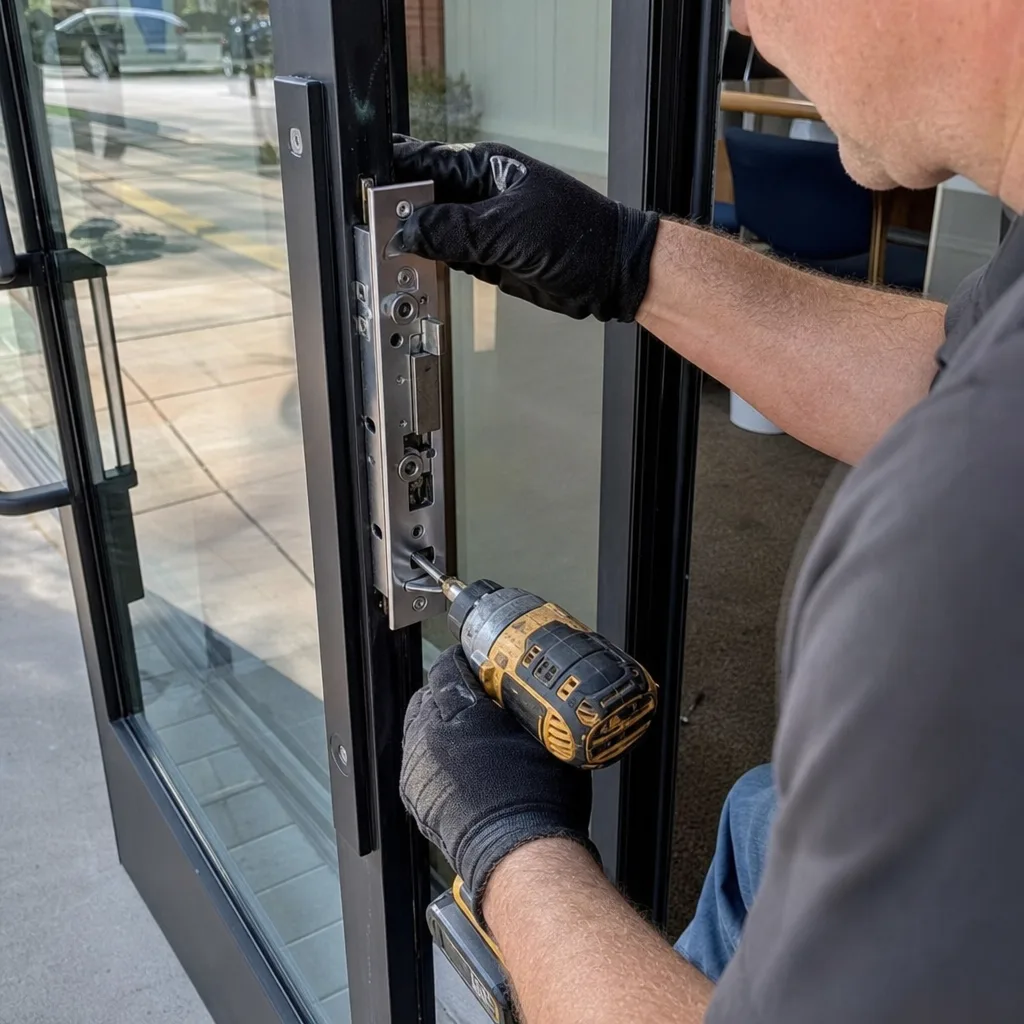
Homeowners considering DIY rekeying typically compare the $15 kit against a professional service call. The comparison is incomplete. See our Locksmith Cost Breakdown: The Phoenix Homeowner’s Reference for 2026 for full pricing context. Here’s the actual accounting for a typical Phoenix home with four entry doors.
| Cost Component | DIY Rekey Kit | Professional Rekey (Novak Lock & Security Phoenix) |
|---|---|---|
| Upfront material | $12-$25 for basic kit; $35-$50 for quality kit with multiple pin sizes | Included in service price |
| Service call / labor | Your time: 30-90 minutes first lock, 15-20 minutes each additional | Flat per-cylinder price, typically $19-$29 per lock when rekeying 3+ on same visit |
| Tool investment (amortized) | $15-$40 if you don’t own pin tweezers, plug follower, key gauge | Not applicable |
| Error correction | Replacement cylinder if damaged: $25-$65 per lock | Covered under 365-Day Done Right Promise |
| Documentation | None - you must create your own key tracking system | Written record of bitting codes, cylinder condition, and key quantities provided |
| Total realistic cost (4 locks) | $27-$115 plus 1.5-3 hours labor; higher if errors occur | $76-$116 total, typically completed in 45 minutes |
The professional price assumes all cylinders are standard Kwikset or Schlage in functional condition. High-security cylinders - Mul-T-Lock, Medeco, Abloy - require specialized pinning equipment and are not DIY-appropriate at any skill level.
The time calculation matters in Phoenix’s summer schedule. A July rekey attempt in a garage with no climate control is a different experience than the same task in March. We’ve had customers call after abandoning a DIY attempt at the 90-minute mark, soaked in sweat, with cylinders disassembled on a workbench and no clear path to reassembly.
Haven Standard Clause 1 applies to every rekey we perform: the price quoted on the phone is the price on the invoice. No dispatch fee added, no “service charge” surprise. For a four-lock rekey in Phoenix, we’ll quote the full price before scheduling - typically $89-$116 depending on cylinder type and travel zone.
When Documentation Matters More Than Skill
Some locksmith situations have nothing to do with whether you can perform the task. They have to do with who can verify that it was performed correctly, when, and to what standard.
Insurance Requirements
Homeowners insurance policies in Arizona increasingly include specific language about “professionally installed security devices.” A deadbolt installed by the homeowner, even correctly, may not satisfy this requirement. After a burglary, the adjuster’s report will note the installation method. A documented photo record from a licensed locksmith provides evidence that meets policy terms.
Landlord-Tenant Law
Arizona Revised Statutes Title 33 governs residential tenancies. While the statute does not explicitly require professional locksmith services, it does require landlords to provide “adequate locks” and to rekey between tenants. In eviction proceedings or security deposit disputes, a landlord’s DIY rekeying may be challenged as inadequate. A written invoice from a licensed locksmith with date, scope, and bitting record provides defensible documentation.
We’ve performed move-out rekeys for property management companies across Phoenix, from small landlords in Garfield to portfolio operators in Desert Ridge. The common requirement: a dated invoice specifying the address, the number of cylinders rekeyed, and the key quantity issued. No DIY process generates this record automatically.
Commercial Security Compliance
Businesses in regulated industries - healthcare, financial services, cannabis - face audit requirements that specify professional installation of access control and key management systems. A DIY repair to a commercial lock creates a compliance gap that an auditor will flag. Commercial locksmith services include the documentation package required for these audits.
Access control systems in Phoenix must be installed with documented firmware versions, credential enrollment logs, and maintenance schedules. These records are generated as standard procedure, not as an add-on.
Warranty and Product Support
Premium lock manufacturers - Baldwin, Sargent, Mul-T-Lock - often condition product warranties on professional installation. A homeowner-installed smart lock with a failed motor may be denied warranty service if the manufacturer determines installation error contributed to the failure. Professional installation includes a labor warranty that runs parallel to the manufacturer’s product warranty.
Phoenix-Specific Factors: Monsoons, Code, and Climate
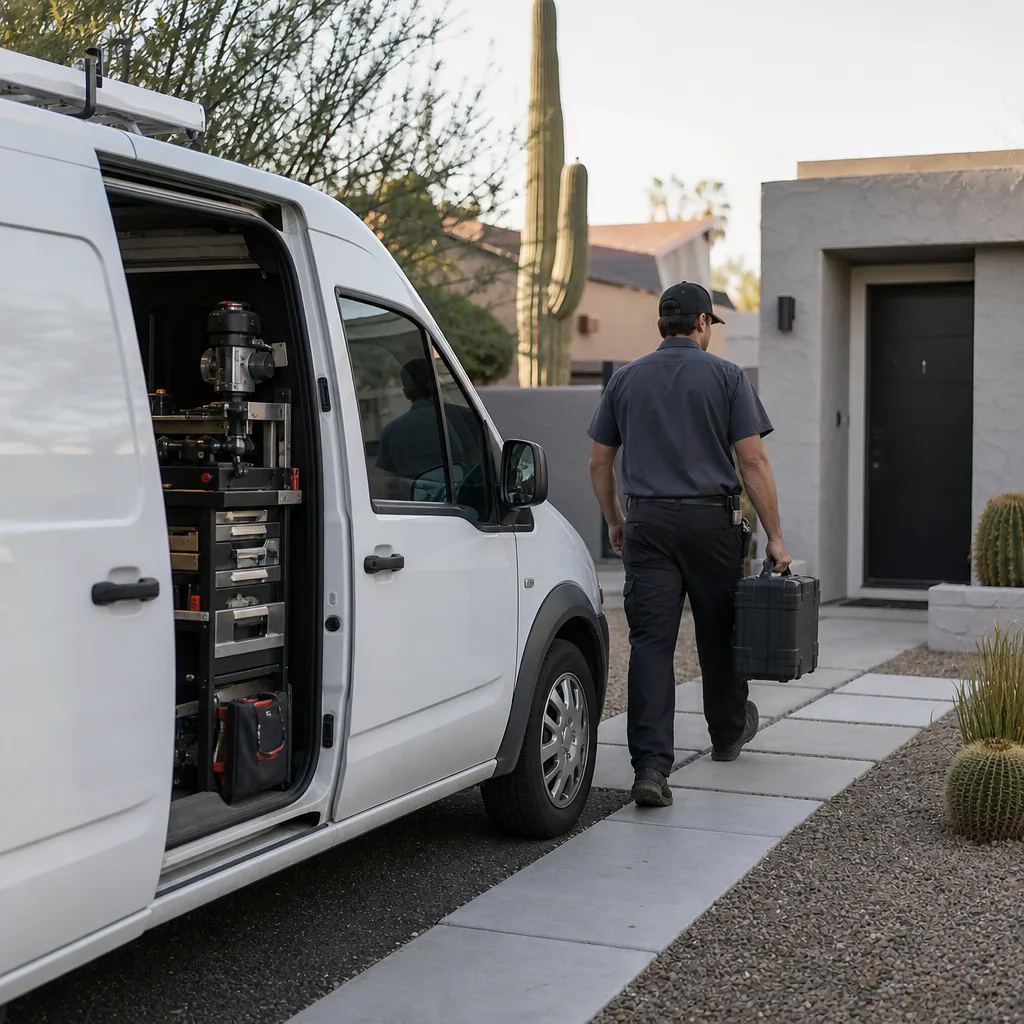
Locksmith work in Phoenix is not identical to locksmith work in other markets. Local conditions create specific failure patterns and specific requirements.
Monsoon Humidity and Door Frame Swelling
Phoenix’s July-September monsoon season brings relative humidity spikes from 15% to 60%+ in hours. Wood door frames absorb moisture and expand; they release it and contract. This cycle loosens fasteners, shifts strike plates, and changes the alignment of deadbolts that were properly fitted in March.
The DIY response we see: a homeowner notices the deadbolt sticking in August, assumes the lock is failing, and replaces it. The new lock sticks too, because the problem is frame geometry, not the cylinder. Or they adjust the strike plate without accounting for seasonal reversion, creating a winter gap that allows latch bypass.
Professional assessment includes measuring frame movement across seasons and selecting hardware with appropriate tolerances. For homes in flood-prone areas near the Salt River or Indian Bend Wash, we also evaluate corrosion on exterior hardware from wind-driven rain.
Building Code and Fire Safety
Phoenix follows the International Building Code with city amendments. Bedroom doors require egress without key operation - no keyed deadbolts on sleeping room interiors. Bathroom doors in rental properties must have emergency override capability. These are code requirements, not suggestions, and violations can affect resale or rental licensing. For details, see Locksmith Permits, Codes & Inspections in AZ: What You Need to Know.
We’ve corrected DIY installations in historic districts like Coronado and Alvarado where homeowners installed decorative keyed hardware on bedroom doors without understanding egress requirements. The fix is replacement and repair of the prep holes, at higher cost than original professional installation would have been.
Neighborhood Security Profiles
Security needs vary across Phoenix metro. A home in Paradise Valley faces different risk factors than one in Maryvale or South Mountain. Professional security assessment includes neighborhood-specific crime pattern review, not just hardware specification. This is not about fear - it’s about matching the lock to the actual threat model.
Summer Heat and Electronic Lock Failure
Exterior smart locks in Phoenix face operating temperatures that exceed manufacturer specifications. Direct sun on a dark door can push surface temperatures above 140°F. Battery life in keypad locks drops by 40-60% in summer. Touchscreen interfaces become unresponsive. We’ve replaced prematurely failed smart locks in Ahwatukee and Laveen where the root cause was thermal, not defective product.
Professional installation includes thermal assessment: is the lock positioned under a covered entry, or does it take direct afternoon sun? Are there ventilation gaps in the escutcheon that allow heat buildup? These factors inform product selection.
How to Vet a Professional Locksmith
If the task crosses into professional territory, selecting the right locksmith matters. The Phoenix market includes legitimate operations, bait-and-switch call centers, and everything between. Read our How to Hire a Locksmith Contractor in Phoenix: A Step-by-Step Guide before you call.
- Verify the business address. A locksmith with a Phoenix-area address that you can locate on Google Street View is more likely to be a real operation than one with a generic “serving your area” claim. Novak Lock & Security Phoenix operates from a documented location with fleet vehicles marked with the company name.
- Request a firm price before dispatch. Haven Standard Clause 1: the price on the phone is the price on the invoice. If the dispatcher cannot or will not quote a specific price for a described task, the technician will arrive with a different number. This is the defining characteristic of bait-and-switch operations.
- Ask about technician documentation. Background checks, uniform requirements, and photo records on every visit are procedures, not promises. We leave a documented photo record with every customer as standard - included, not an upgrade.
- Confirm licensing. Arizona does not require a state locksmith license, but the city of Phoenix requires a business license for service operations. Ask for the license number and verify with the city.
- Review the warranty terms. A 365-Day Done Right Promise with written scope is verifiable. A “satisfaction guaranteed” claim with no specifics is not.
Since 2002, we’ve installed or serviced 60,000+ locks, keys, and systems in Phoenix - every one with a written price before we started and a documented record when we left. Novak Lock & Security Phoenix offers free second opinions on any written estimate from a competitor. Bring us their quote and we’ll review it at no charge.
Common Mistakes to Avoid
- Moving a strike plate without verifying framing depth. In Phoenix’s older neighborhoods like Willo and Encanto, door jambs are often original 1940s-1950s pine that’s been painted 20 times. The visible jamb surface gives no indication whether there’s solid framing behind it. Short screws into crumbling wood create a security illusion.
- Using graphite on electronic components. Graphite is conductive. A homeowner who sprays graphite into a failing keypad lock, following advice meant for mechanical cylinders, can destroy the circuit board. The repair requires full lock replacement.
- Rekeying without checking cylinder wear. A worn cylinder has loose pin chambers, rounded edges, and inconsistent spring pressure. Rekeying it produces a key that works intermittently or fails within months. Professional assessment includes cylinder condition evaluation; DIY kits don’t.
- Installing a deadbolt on a door with glass within 40 inches. Phoenix building code and basic security practice require that a deadbolt not be operable by reaching through broken glass. A decorative door with sidelights or a glass panel may need a double-cylinder deadbolt (keyed both sides) or alternative security hardware. Single-cylinder installation on these doors is a common DIY error.
- Programming smart locks without factory reset on acquired homes. The previous owner’s app access, shared guest codes, and integration automations may persist in cloud services even after local code deletion. Factory reset procedures vary by brand and firmware; skipping them leaves administrative backdoors open.
- Ignoring backset measurement. The distance from the door edge to the center of the cylinder hole - 2-3/8″ or 2-3/4″ - must match the replacement lock. A homeowner who forces the wrong backset into a door, or enlarges the hole to make it fit, has permanently damaged the door slab.
- Assuming all locks in a home use the same keyway. Phoenix homes with additions, renovations, or multiple owners often have mixed keyways - Schlage on the front door, Kwikset on the back, Baldwin on the side entrance. A rekey kit for one brand cannot service another. Professional keying can unify these to a single key system where hardware condition allows.
When to Call a Professional
Call a professional locksmith when the task involves hidden failure modes, documentation requirements, or liability exposure. Specifically: strike plate work on steel frames or unknown framing; any lock installation requiring new prep holes; smart lock programming on acquired homes; commercial or rental property work; insurance-mandated security upgrades; and any situation where you need a written record of who has keys and what hardware is installed.
Novak Lock & Security Phoenix offers free estimates in Phoenix - call (480) 376-7170. We’ll quote a firm price on the phone, dispatch a background-checked uniformed technician, and leave you with a documented photo record and written invoice. Haven Standard Clause 1: the price we quote is the price you pay.
Frequently Asked Questions
Yes, if you have standard Kwikset or Schlage cylinders, a commercial rekey kit, and patience. Expect to spend $12-$50 on tools and 30-90 minutes on the first lock. You will not receive a documented key record or warranty. For homes with 3+ locks, professional rekeying typically costs $89-$116 total and includes written documentation of the bitting codes and cylinder condition. Call (480) 376-7170 for an exact quote - estimates are free.
At Novak Lock & Security Phoenix, yes - this is Haven Standard Clause 1. The dispatcher quotes a firm price based on your description, and the technician is contractually prohibited from changing it at the door. This rule has been in place since 2002. If the on-site condition differs from what was described, we discuss options before any additional work begins. Call (480) 376-7170 for a written estimate.
Emergency lockout response in Phoenix typically ranges from 20-45 minutes depending on time of day, traffic, and your location relative to our dispatched technicians. Calls are answered by a live person 24/7 - no voicemail queue, no callback window. For scheduled work like rekeying or lock installation, we book specific appointment windows. Call (480) 376-7170 for current availability.
Novak Lock & Security Phoenix carries general liability and workers compensation coverage, and operates under Phoenix business license. We’re happy to provide certificate of insurance on request for commercial or property management clients. All technicians are background-checked and uniformed, with a documented photo record left after every visit. Daniel Novak has owned and operated the business since 2002.
Humidity expansion of wood door frames is the most common cause in Phoenix. The frame swells, compressing the door against the strike plate and binding the bolt. Lubricating the lock won’t help - the problem is geometry, not friction. A professional assessment measures the seasonal movement and adjusts or replaces the strike plate with appropriate tolerances. In some cases, the frame itself requires stabilization.
Rekey if the existing hardware is in good condition and you have no security concerns about the grade or brand. Replace if the locks are entry-grade Kwikset SmartKey with known bypass vulnerabilities, if you want to upgrade to high-security cylinders like Mul-T-Lock, or if the hardware shows wear. In Phoenix’s competitive resale market, many homes have been rekeyed multiple times with accumulated pin chamber wear that makes rekeying unreliable. We assess cylinder condition before recommending either path.
The Bottom Line
The DIY-versus-professional decision for locksmith work is not a test of your mechanical ability. It’s an assessment of whether the task has visible, correctable failure modes or hidden consequences that emerge later - in a security breach, an insurance dispute, or a compliance audit. Rekeying a Kwikset with a kit and a free afternoon is reasonable. Adjusting a strike plate on a steel frame, programming a smart lock without factory reset, or installing hardware that affects your insurance coverage is not. When the cost of being wrong exceeds the cost of being certain, the professional path is the economical one. In Phoenix’s climate, its code environment, and its housing market, that line falls in a specific place - and this guide has mapped it task by task.
Written by Daniel Novak, Owner at Novak Lock & Security Phoenix, serving Phoenix since 2002.