
Non-destructive entry first, always - and we re-key Schlage, Kwikset, and Baldwin locks on the spot while you watch
You get a price before we start. It does not change when we arrive. No surprises.
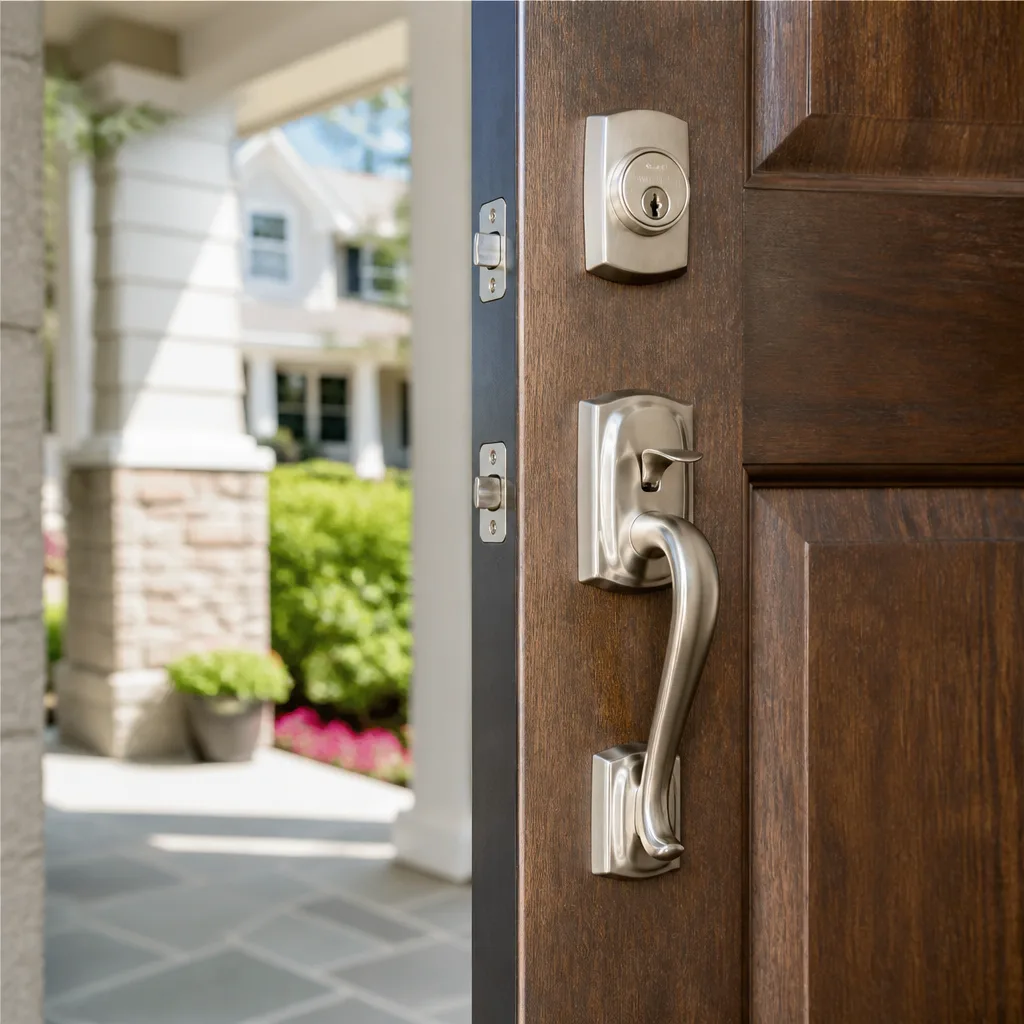
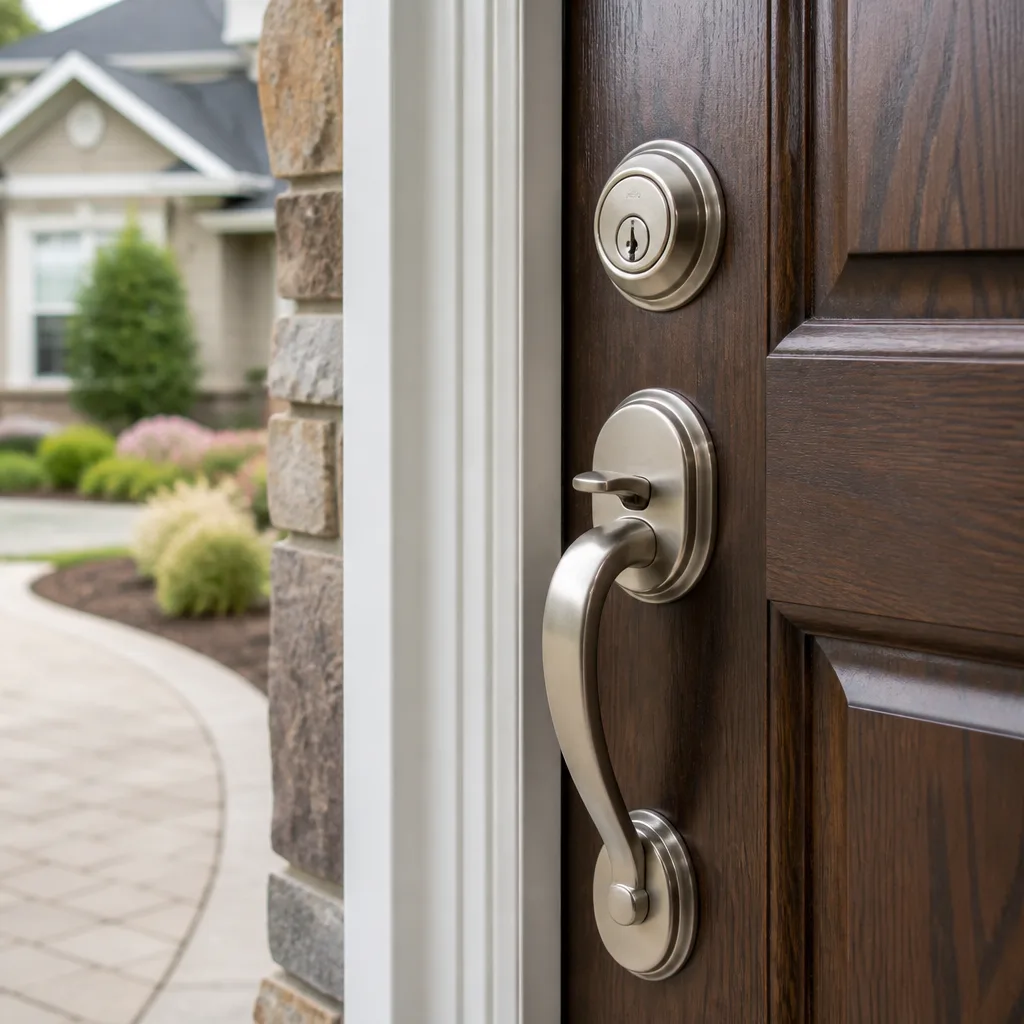

Sargent Master Key Systems: The Phoenix Owner’s Guide
A Sargent master key system replacement in Phoenix typically runs $340-$780 per cylinder set installed, depending on whether you’re rekeying an existing Sargent 6300/6400/6500 series or converting from a standard cylinder to a master-keyed setup. We stock Sargent-compatible cores, pins, and key blanks on our trucks across Phoenix, and most residential and light commercial master key jobs are completed same-day with a written price locked before we start. The failure usually shows up as a key that works in some locks but not others in the same system, or a master key that suddenly overrides sub-master levels it shouldn’t.
Which Sargent Models This Applies To
Sargent master key systems span several series, and the part you need depends on which hardware is already in your door. The 6300 line covers standard commercial cylindrical locks, the 6400 series fits mortise applications common in Phoenix’s 1980s-2000s office builds, and the 6500 series handles the heavy-duty institutional grade found in schools and medical corridors around the Banner and Dignity Health networks. Look for the Sargent stamp on the lock face or the model number stamped on the cylinder tailpiece; if the cylinder has a removable core, it’s likely a Large Format Interchangeable Core (LFIC) system, which uses different pinning and keyways than standard cylinders.
We carry OEM Sargent pinning kits and factory-original key blanks, plus Specified Components aftermarket cylinders that meet the same ANSI/BHMA Grade 1 standards at roughly 30% lower parts cost. The aftermarket route works for most Phoenix properties, but if your system integrates with an existing Sargent Signature or XC keyway, OEM is the only path that guarantees full compatibility. We’ve found that mixing OEM and aftermarket cylinders in the same master key hierarchy creates ghost-keying issues down the line, so we document what went where and leave that record with you.
Signs Your Sargent Master Key System Is Failing
- Key works in some locks but not others in the same master hierarchy. This usually points to a worn pin chamber in one cylinder, where the master pin has sheared or the driver pin has flattened enough to create inconsistent shear-line alignment. The lock isn’t fully failed yet, but it’s out of spec and will spread erratic behavior to other cylinders if the master key is forcing the issue.
- Master key overrides a sub-master it shouldn’t. When a change key or sub-master suddenly opens locks above its level, the master pin stack has been compromised, typically by a master pin that slipped or a rekeying error from a previous service. This is a security gap, not just a mechanical one.
- Key requires jiggling or repeated insertion to turn. In Phoenix’s hard water and dust environment, debris accumulates in Sargent cylinders faster than in coastal climates. Combined with worn keyways from years of brass-on-brass contact, the tolerances that make master keying possible start to fail.
- New keys cut from code don’t match old key function. If a fresh key works differently than the original it was cut to replace, the pinning has shifted or the code book reference doesn’t match the actual bitting. This happens when previous locksmiths used non-Sargent pinning kits with slightly different depth increments.
- Cylinder core spins freely or pulls partially out with the key. The LFIC retainer clip or control lug has broken or worn through. On Sargent systems this is a cylinder replacement, not a field repair, because the control mechanism is integral to the core housing.
Replacement Cost & What’s Included
For Phoenix properties, Sargent master key system work breaks down as follows:
| Service | Typical Range |
|---|---|
| Single cylinder rekey to existing master | $85-$140 |
| Single cylinder conversion to master key system | $180-$260 |
| Full property master key setup (3-6 cylinders, residential) | $340-$580 |
| Commercial master key with sub-master levels (6-12 cylinders) | $580-$780 |
| LFIC core replacement with new master hierarchy | $220-$340 per core |
The range depends on cylinder count, whether we’re working with existing Sargent hardware or adapting another brand’s prep, and how many key levels you need. Every quote is written before we start, governed by Haven Standard Clause 1: the price on the phone is the price on the invoice. Parts carry a one-year defect warranty; our labor is covered by the 365-Day Done Right Promise. You’ll receive a documented photo record of the completed work and a key control chart showing which keys open which locks.
DIY or Call Us?
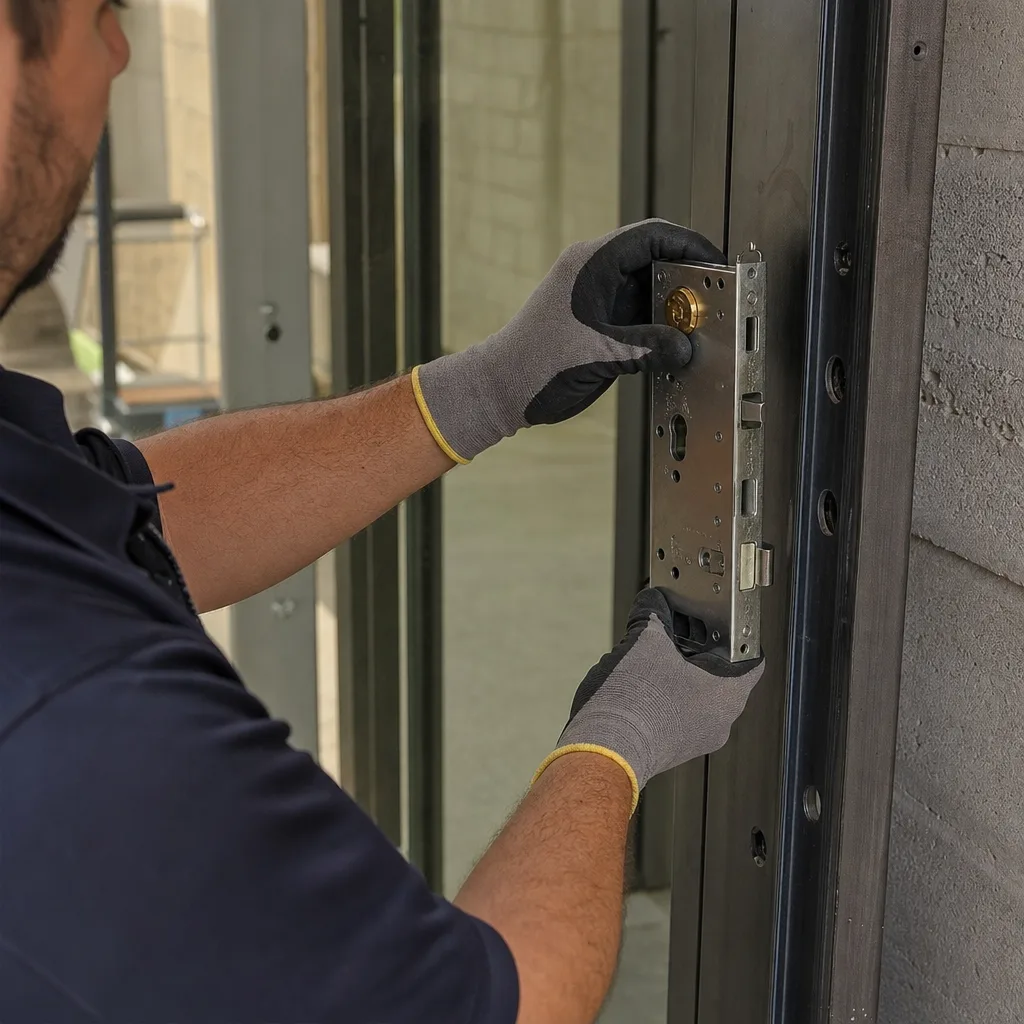
There’s no physical danger in handling Sargent lock cylinders, but the precision required for master keying makes DIY a poor bet for most owners. You can safely verify your model number and count your cylinders, which speeds our phone quote. What goes wrong in DIY attempts: using a standard pinning kit with .003″ depth tolerances instead of Sargent’s spec, creating a master key that opens unintended locks; losing the master pin order so the hierarchy can’t be reconstructed; or reassembling a cylinder with the wrong spring lengths, causing immediate binding in Phoenix’s dry, dusty air.
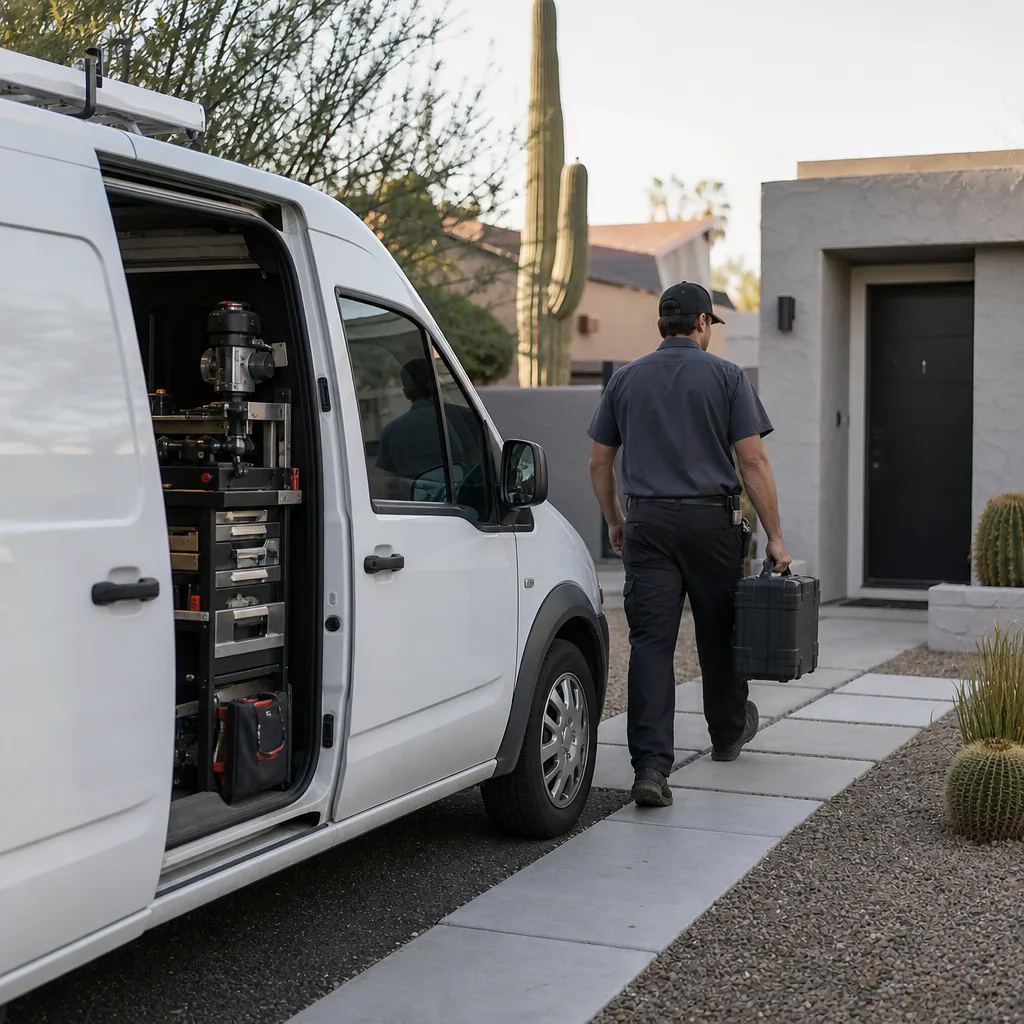
We carry Sargent pinning kits, factory key blanks, and LFIC cores on every truck. If you’ve got a Sargent system that’s showing symptoms, call (480) 376-7170 and we’ll quote a firm price over the phone. No dispatch fee, no arrival surcharge, no revision at the door.
FAQs
In Phoenix’s climate, a properly maintained Sargent master key system typically lasts 12-18 years in residential use and 8-12 years in commercial high-traffic settings. The dry air and mineral dust accelerate cylinder wear compared to humid climates, but they also reduce corrosion. Annual lubrication with a dry graphite product extends pin chamber life significantly. Call (480) 376-7170 if you’re unsure whether your system is due for assessment.
Individual cylinders can often be repinned to restore function if the hardware itself isn’t worn past spec. However, if the master key hierarchy has been compromised, or if multiple cylinders show failure patterns, rebuilding the system from a fresh pinning chart is more reliable and usually more cost-effective than chasing intermittent fixes. We evaluate this on-site and quote both paths in writing.
A single-cylinder rekey or master conversion takes 20-40 minutes on-site. A full residential property with four to six cylinders typically runs 90 minutes to two hours, including key generation and testing every lock against every key level. Commercial setups with sub-masters and grand masters take longer; we scope that in writing before scheduling.
We stock Sargent-compatible cylinders, cores, pinning kits, and key blanks on our Phoenix service trucks. For obsolete Sargent series or specialized XC high-security keyways, we can source factory parts with a two-day lead time, but we disclose this on the phone so you’re not waiting on a technician who can’t finish the job. The name on the van is the same name on the invoice. That’s the whole argument.
Written by Daniel Novak, Owner, Novak Lock & Security Phoenix at Novak Lock & Security Phoenix, serving Phoenix and nearby areas.