
Last updated September 25, 2026
Non-destructive entry first, always - and we re-key Schlage, Kwikset, and Baldwin locks on the spot while you watch
You get a price before we start. It does not change when we arrive. No surprises.
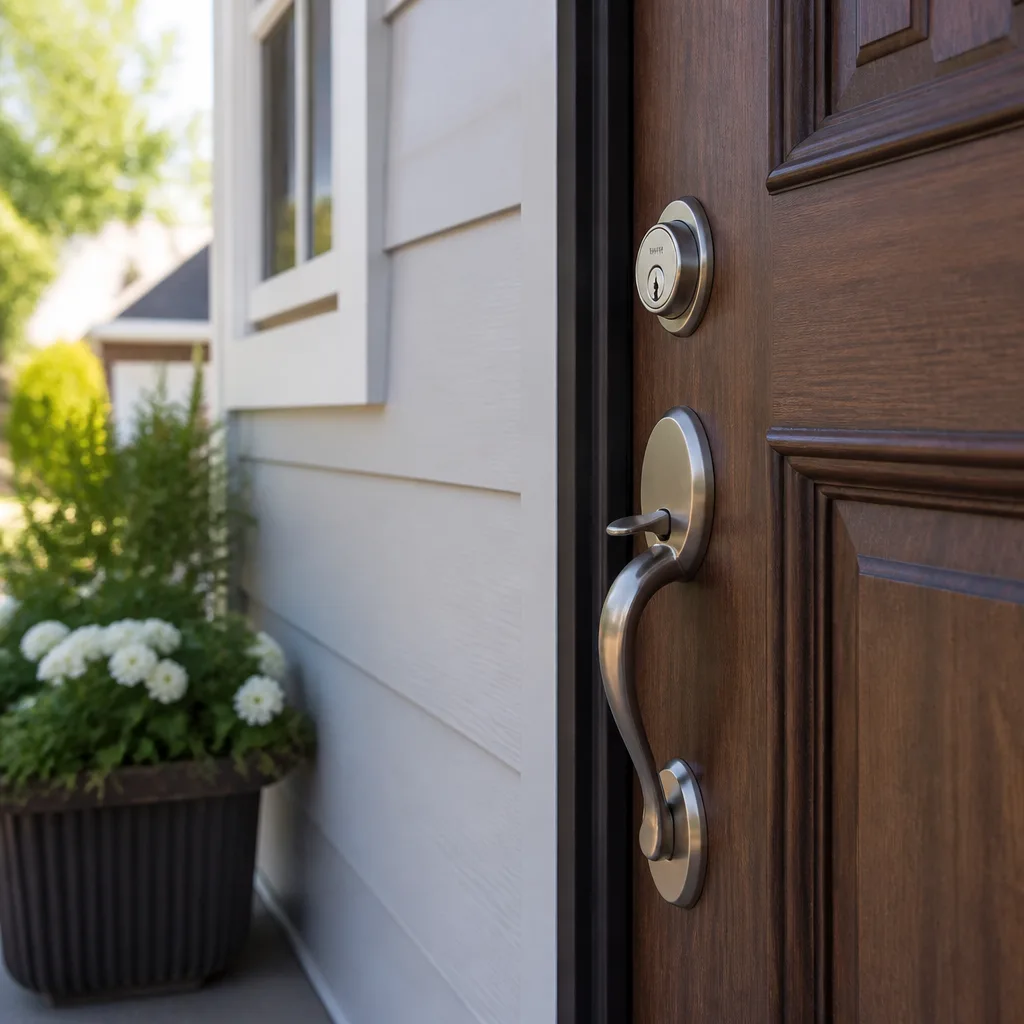
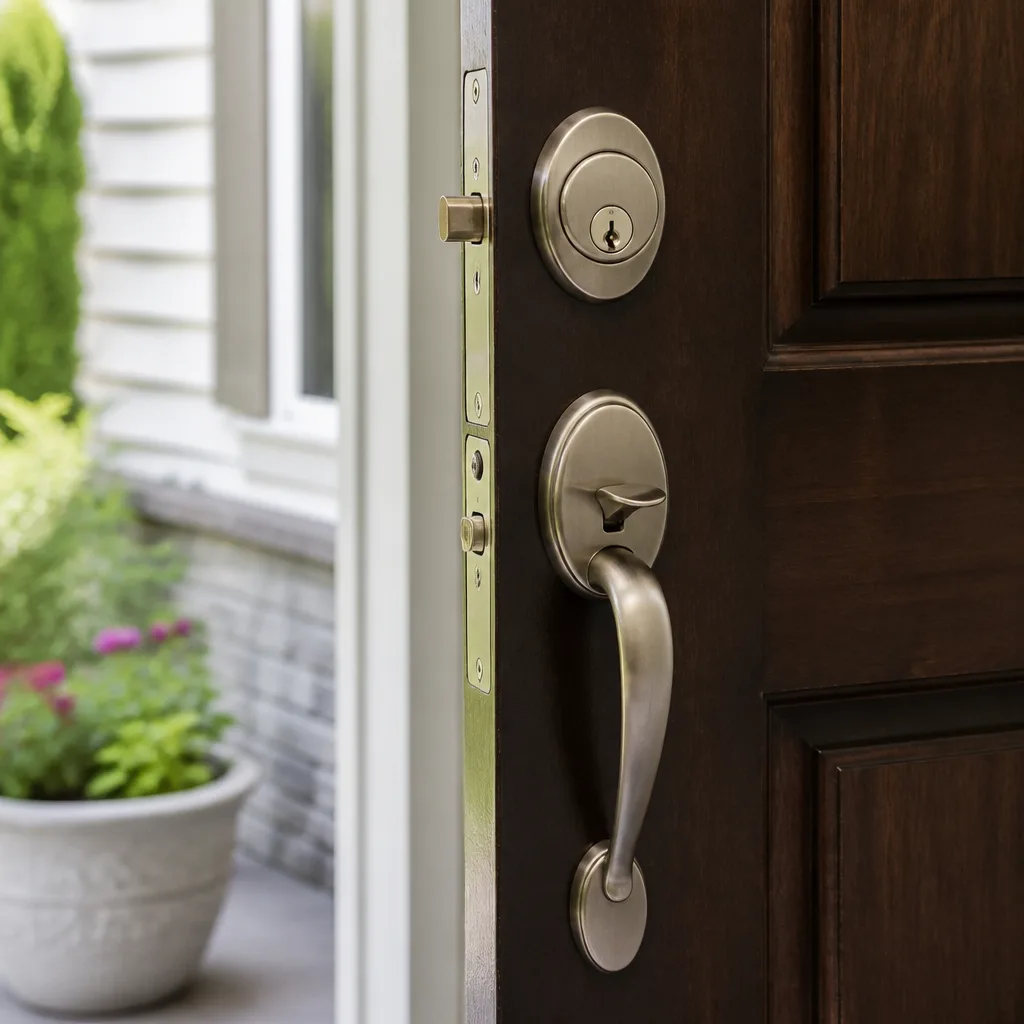
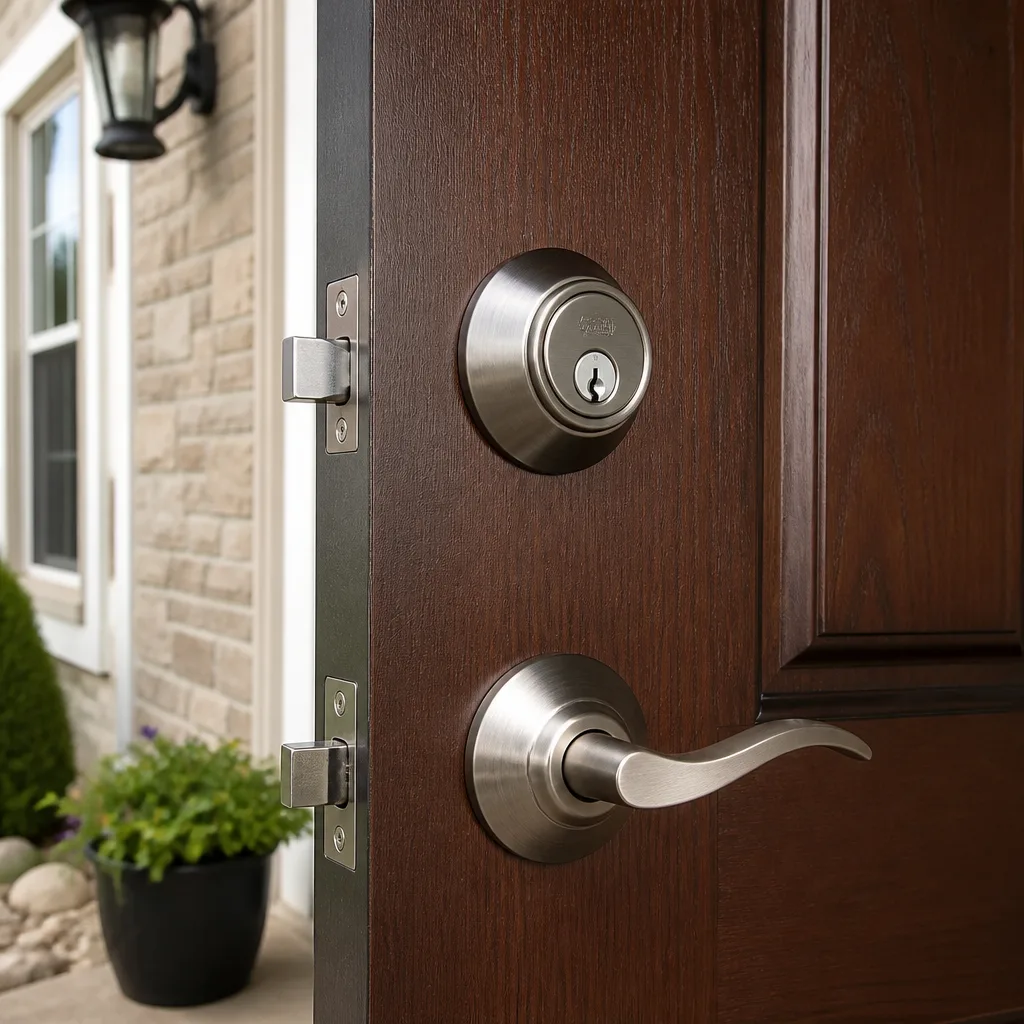
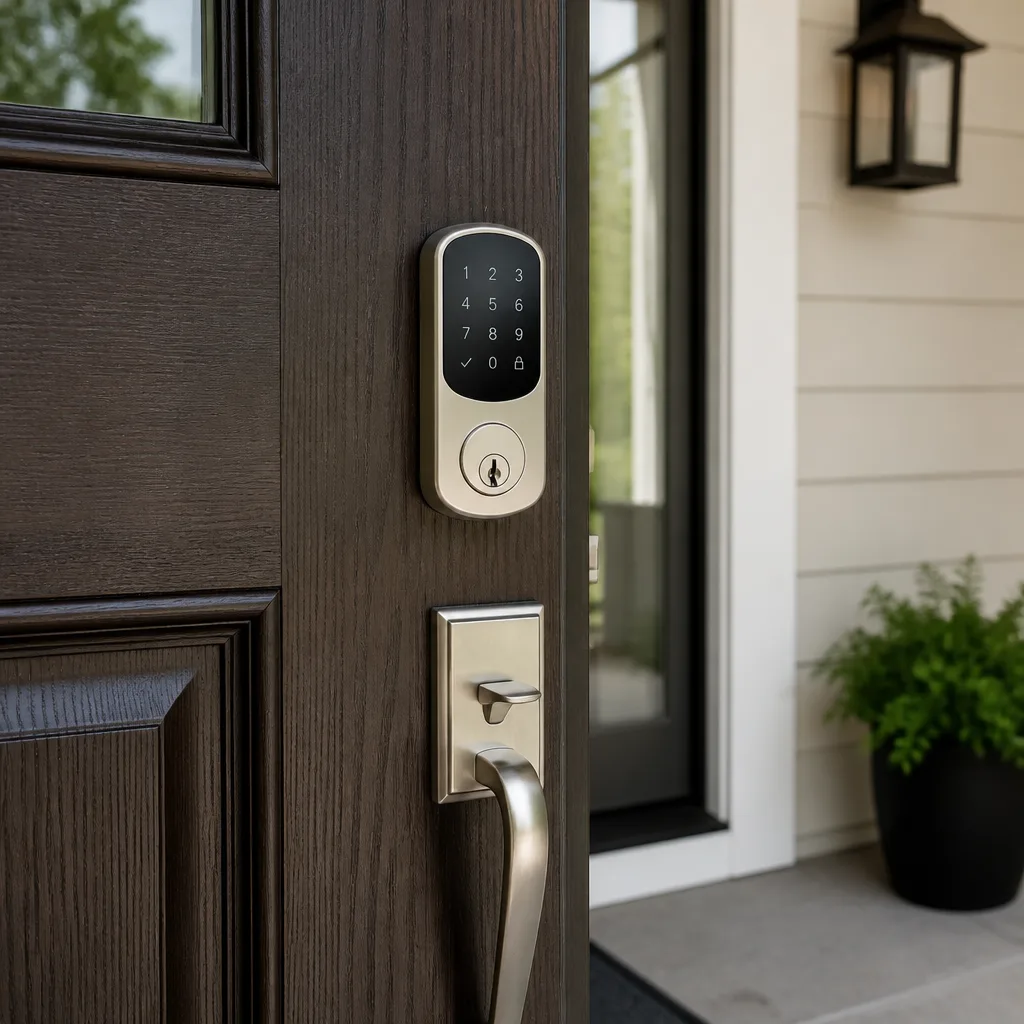
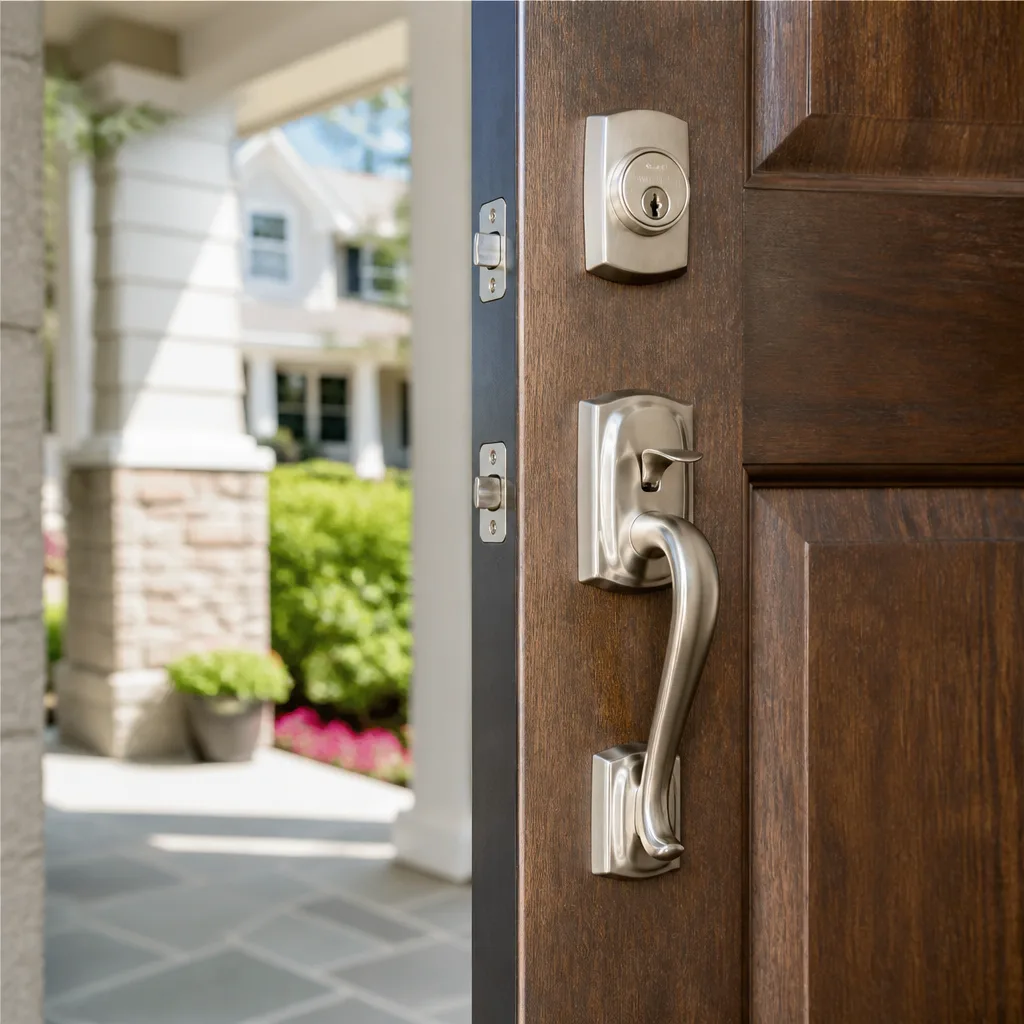
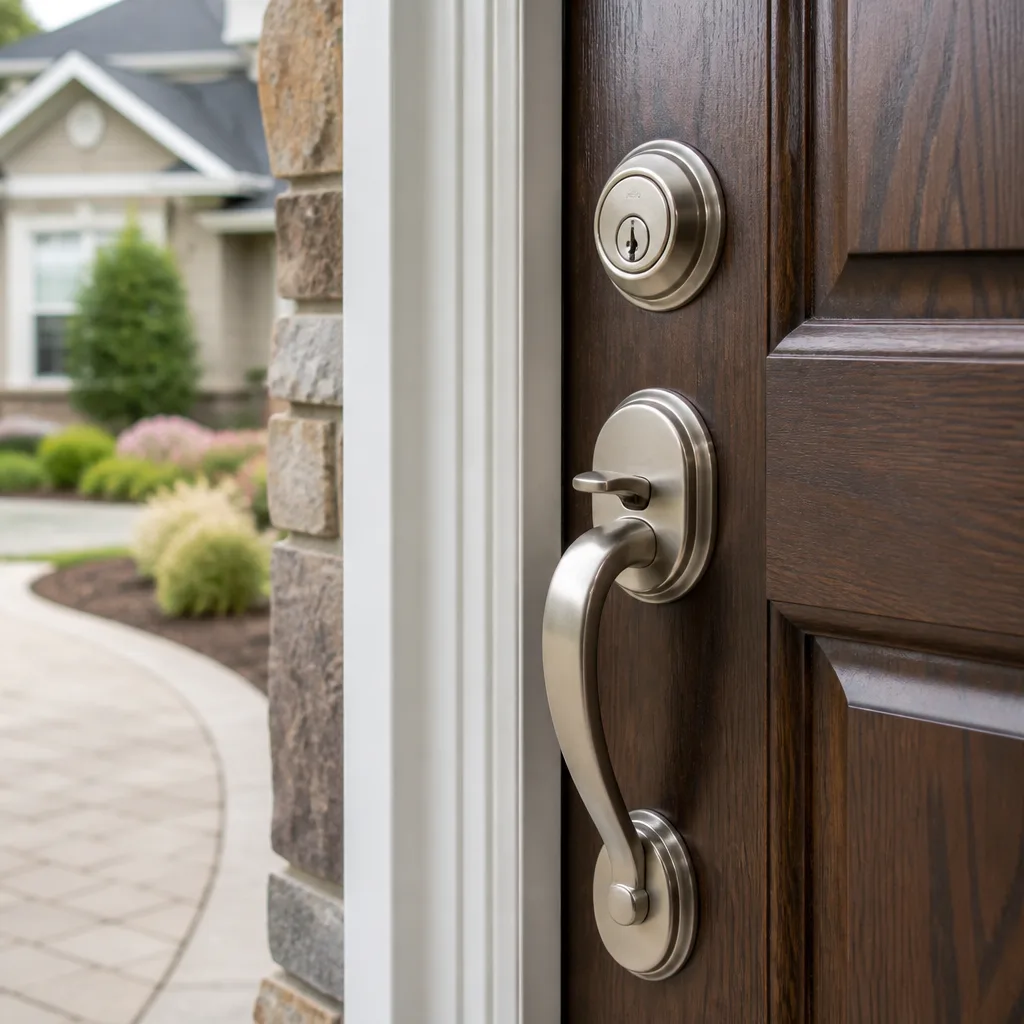

Seasonal Locksmith Care for Phoenix: Year-Round Homeowner’s Guide
A deadbolt that operates smoothly in January can become stiff or misaligned by July - not because anything broke, but because Phoenix’s 70°F temperature swing between winter nights and summer afternoons causes door frames to shift enough to alter strike plate alignment by as much as 1/8 inch. Over 23 years of service calls across Novak Lock & Security Phoenix home, we’ve learned that Phoenix’s seasons don’t map onto the conventional spring-fall maintenance calendar. The real maintenance inflection points are pre-monsoon (May), post-monsoon (October), and peak summer (July), when thermal expansion, humidity spikes, and dust infiltration each stress lock hardware in distinct ways. This guide replaces the generic four-season framework with one that reflects how Phoenix weather actually works.
Quick Answer
Phoenix homeowners should inspect and lubricate exterior locks three times yearly: pre-monsoon in May (dust removal and dry-lube application), post-monsoon in October (swelling assessment and weatherstrip check), and mid-winter in January (battery and condensation check). Use graphite-based lubricants only - wet lubricants attract dust and gum up in temperatures above 110°F. Document each inspection with photos and notes; this record becomes valuable for insurance claims and resale disclosure. For more guidance, see our Commercial Locksmith Maintenance Checklist for Phoenix Homeowners.
Table of Contents
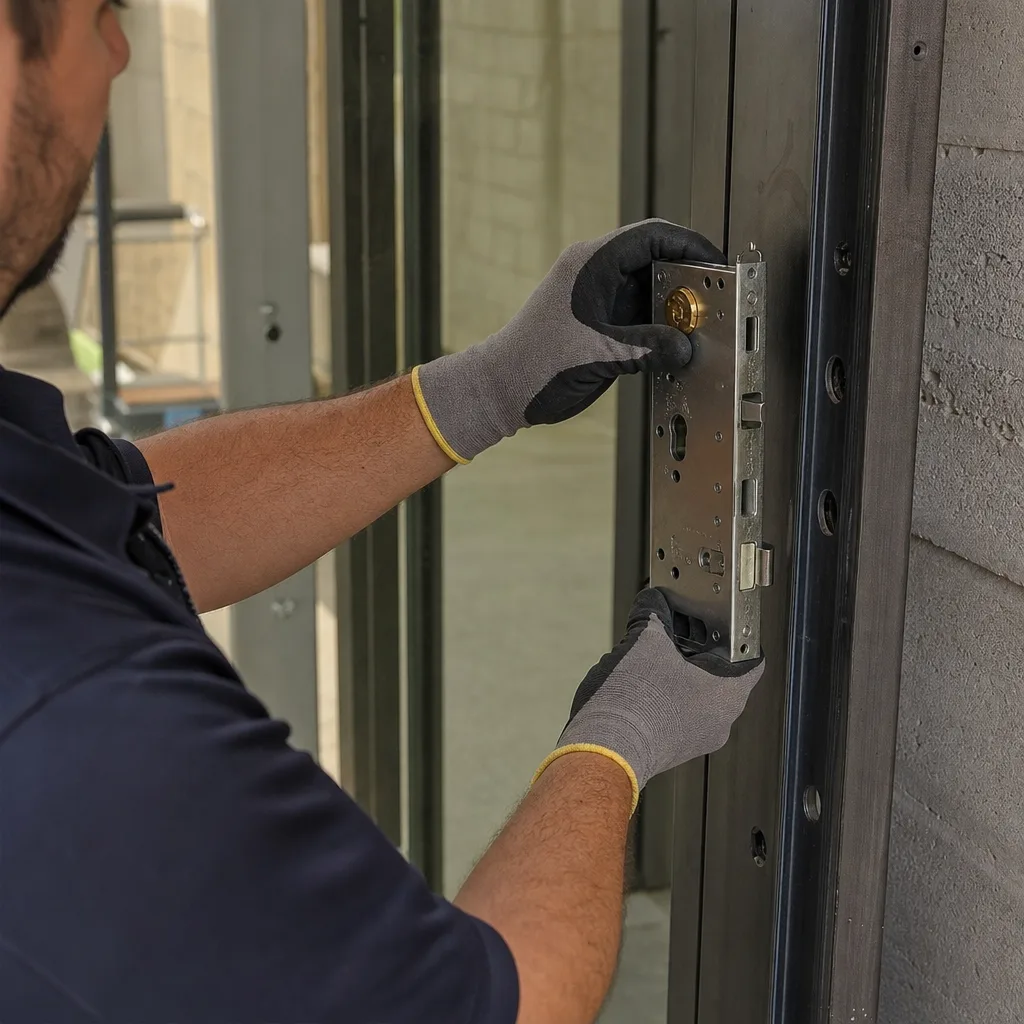
- Pre-Monsoon (May): The Most Important Maintenance Window
- Monsoon Season (June-September): Humidity, Swelling, and Misalignment
- Post-Monsoon (October): Assessment and Recovery
- Peak Summer (July): Thermal Expansion at Its Worst
- Winter (December-February): What Mild Cold Still Does to Hardware
- The One-Page Seasonal Maintenance Log
- Common Mistakes to Avoid
- When to Call a Professional
- Frequently Asked Questions
Pre-Monsoon (May): The Most Important Maintenance Window
May is the quiet before the storm, literally. Dust storms - haboobs - begin rolling through the Phoenix metro in June, and the dust they deposit into keyways, deadbolt housings, and latch mechanisms will stay there until someone removes it. By October, that dust has been ground into a fine abrasive paste by daily key insertion. May is the last chance to clean it out before the monsoon humidity turns dry dust into mud.
Here’s what we do on every pre-monsoon service call in Arcadia, Ahwatukee, and the North Central corridor:
- Remove the cylinder. On a standard deadbolt, this means removing the two mounting screws, pulling the thumb turn and keyed cylinder apart, and sliding the cylinder out. On high-security cylinders like Mul-T-Lock or Abloy, we note the pinning sequence before disassembly so reassembly matches the original keying.
- Blow out the keyway with compressed air. Not canned air - shop-compressed air at 90 PSI with a narrow nozzle. We do this outside, away from the door, so the dust doesn’t resettle in the same hardware.
- Apply graphite lubricant sparingly. Two short puffs from a graphite tube, then work the key in and out ten times to distribute it. We use graphite because it stays dry at 118°F, which wet lubricants (WD-40, silicone spray, 3-in-1 oil) do not. In Phoenix heat, wet lube turns to varnish and traps dust.
- Inspect the strike plate alignment. We close the door slowly and watch where the latch meets the strike. If it’s scraping the top or bottom edge, we note the direction - summer expansion will make it worse.
- Photograph everything. Haven Standard Clause 4: documented photo record on every visit. The customer gets a copy; we keep the master file.
The cost for this service, done as a standalone maintenance call, typically runs $85-$145 depending on lock count and cylinder type. Rekeying at the same visit adds $19-$29 per cylinder, quoted in writing before we start. Haven Standard Clause 1 applies: the price on the phone is the price on the invoice.
One detail competitors miss: May is also when rental turnover peaks in Phoenix. Students leave ASU housing; snowbirds depart for northern states. If you’re moving into a rental or recently purchased a home that sat vacant through spring, rekeying in May means the new pins are seated and tested before summer stress begins.
Monsoon Season (June-September): Humidity, Swelling, and Misalignment
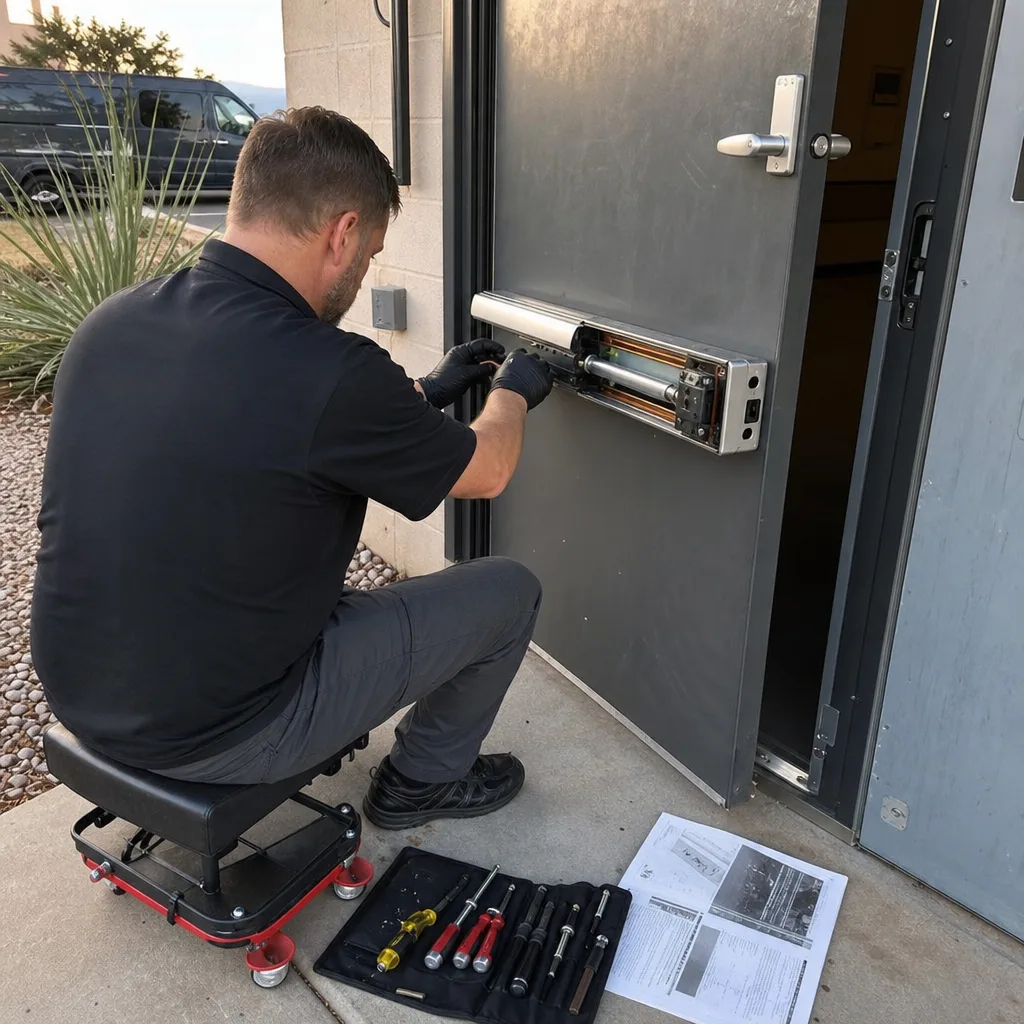
Phoenix’s monsoon season brings relative humidity from 15% to 65% in a matter of hours. That spike affects doors differently depending on material. Steel and fiberglass doors expand minimally. Solid wood doors, common in the historic districts near Coronado and Willo, absorb moisture and swell across the grain. A door that latched cleanly in May may require shoulder pressure to close by August.
The diagnostic challenge is distinguishing frame swelling from strike misalignment. Here’s how we tell them apart:
- Swollen frame: The door is hard to close all the way - you must push or pull to get the latch past the strike. The deadbolt thumb turn operates normally once the door is closed. The gap between door and jamb looks uneven, wider at top or bottom than in May.
- Strike misalignment: The door closes fully and easily, but the deadbolt won’t extend into the strike plate without jiggling the door. The gap between door and jamb looks consistent. This is thermal expansion of the frame or settling of the foundation, not moisture swelling.
Swollen frames sometimes resolve themselves in October when humidity drops. Misaligned strikes do not - they get worse as summer heat peaks. We do not recommend planing a swollen door in July; by January, that same door may rattle in its frame. For strike misalignment, we file or reposition the strike plate and test with the door at multiple temperatures through the day.
Keypad locks present a separate monsoon issue. Humidity condenses on the circuit board inside the escutcheon when a storm drops the temperature 30 degrees in an hour. In our experience, Schlage keypad units handle this better than budget brands because the board is conformal-coated at the factory, but no keypad is fully sealed. If your keypad acts erratically during storms - beeping without input, or not responding to correct codes - remove the battery for 24 hours and let the interior dry before reinstalling. If the problem repeats, the board needs replacement, not just drying.
Monsoon season is also when we see the most emergency lockout calls in Phoenix. Haboobs reduce visibility to near-zero; people rush inside and leave keys in the car. Our 24/7 live answer line gets these calls. A residential lockout in Phoenix typically runs $95-$145 during standard hours, $145-$195 after 10 p.m., with the exact price quoted before dispatch. No callback window, no automated queue.
Post-Monsoon (October): Assessment and Recovery
October is the forgotten maintenance window. The storms have passed, the dust has settled, and homeowners move on to other projects. But this is exactly when the damage from four months of thermal and humidity cycling becomes visible. We schedule more comprehensive inspections in October than any other month.
Start with weatherstripping. Monsoon winds drive rain against door edges; degraded weatherstripping lets water reach the door core. On steel doors, this shows as rust bubbles at the bottom edge. On wood doors, it’s soft spots or delamination. Both conditions distort the door enough to affect latch engagement. Replace weatherstripping when it no longer springs back to shape after compression - typically 3-5 years in Phoenix sun, sooner on south-facing doors.
October is also the correct time to assess UV damage on exterior hardware. Phoenix receives 3,872 hours of bright sun yearly. Powder-coated finishes on entry-grade hardware chalk and fade within 18 months. Schlage’s higher-grade lines hold up better; we see less fading on Baldwin and Sargent residential hardware. The functional issue isn’t cosmetic - UV-degraded coatings expose zinc or brass substrates to oxidation, which swells the metal and binds moving parts. If your deadbolt thumb turn feels gritty, disassemble and inspect for white or green corrosion products.
For rental properties, October aligns with the second turnover peak. If you rekeyed in May, inspect those cylinders now. Dust infiltration during summer may have accelerated wear on the pin chambers. We check for two failure modes: keys that stick at certain positions (indicating a bent pin or debris), and keys that work but feel loose (indicating worn chambers that will soon accept multiple key combinations). Both conditions are documented in the photo record and addressed before they become lockouts.
Residential Locksmith in Phoenix services in October often include upgrading to high-security cylinders. The cooler weather means doors are at their neutral dimension - ideal for precise fitting of Mul-T-Lock or Abloy conversions. A high-security cylinder installed in October has six months to settle before next summer’s expansion cycle.
Peak Summer (July): Thermal Expansion at Its Worst
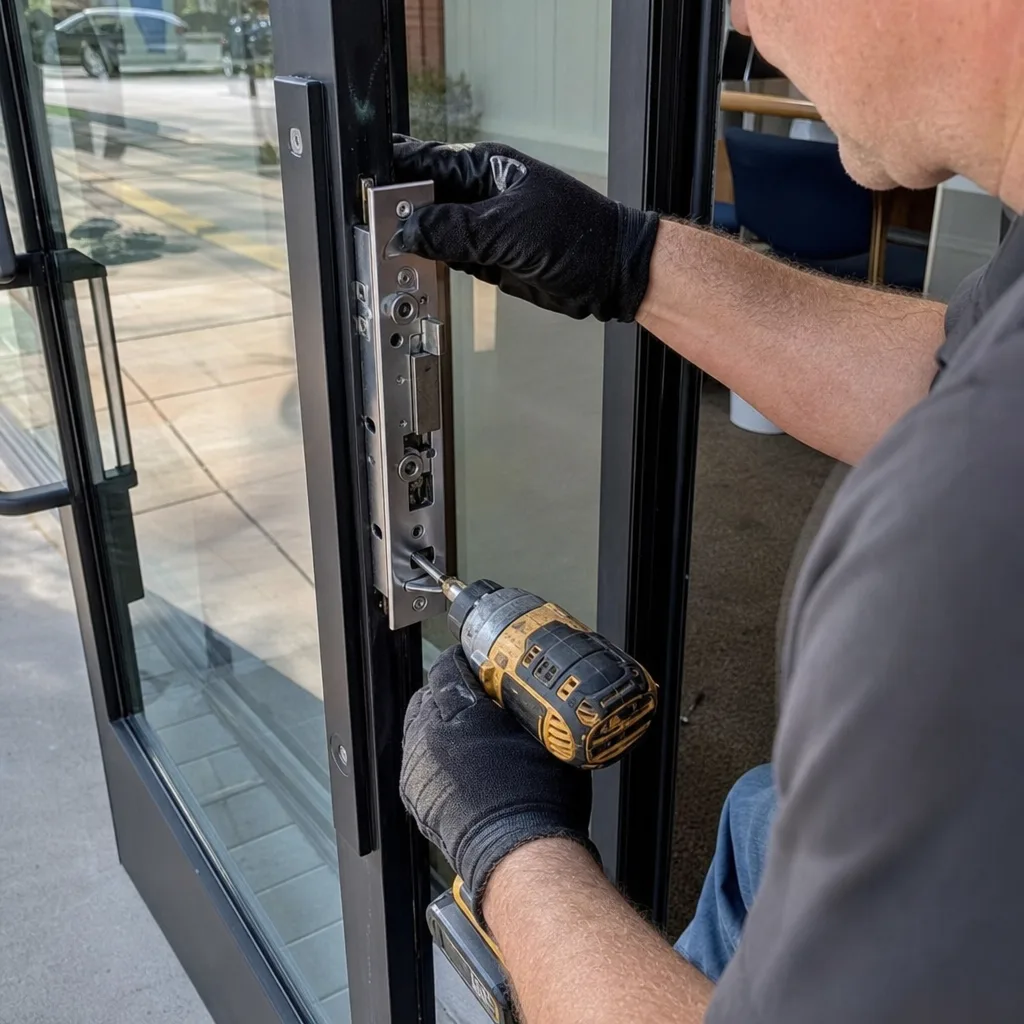
July in Phoenix is when the 70°F swing mentioned in the opening becomes daily reality. A door frame measured at 6 a.m. is dimensionally different by 4 p.m. This isn’t theory - we’ve measured it with dial indicators on service calls in Paradise Valley and Scottsdale.
The critical measurement is strike plate alignment relative to the deadbolt throw. At 6 a.m., with the frame contracted, the bolt may enter the strike cleanly. At 4 p.m., with the frame expanded, the bolt scrapes the strike edge or misses entirely. Homeowners report this as “my deadbolt is sticking” or “I have to lift the door to lock it.” The door hasn’t sagged. The frame has grown.
There are three legitimate responses, depending on severity:
- Minor scraping: Lubricate with graphite and monitor. Some seasonal variation is normal and acceptable.
- Consistent miss or heavy resistance: File the strike plate opening in the direction of the misalignment. This is a 10-minute job with a rotary file or half-round rasp, but it requires knowing which direction to file. We mark the strike with a sharpie, operate the bolt ten times, and file where the marks concentrate.
- Bolt completely blocked: This indicates either extreme expansion or structural movement beyond thermal cycling. We inspect the frame for cracks, measure with a level, and determine whether the issue is the lock, the frame, or the foundation. This is a locksmith call, not a DIY adjustment.
One July-specific issue: car key fob failure. The lithium batteries in modern fobs lose capacity faster at sustained high temperatures. A fob that works reliably at 95°F may fail to transmit at 115°F. We replace fob batteries on automotive calls year-round, but July sees the highest volume. If your fob requires multiple presses or works only when held against the steering column, replace the CR2032 before it fails completely. Automotive key fob battery replacement runs $25-$45 at our shop, including testing the signal strength with a frequency counter.
Garage door keypad batteries also fail in July heat. These are typically 9V or AA alkalines in a black plastic housing that reaches 140°F in direct sun. We recommend lithium primary batteries (Energizer Ultimate Lithium or equivalent) for garage keypads - they handle heat better and last 2-3x longer in Phoenix conditions.
Winter (December-February): What Mild Cold Still Does to Hardware
Phoenix winters are mild by national standards, but “mild” doesn’t mean “irrelevant” for lock hardware. Three conditions matter: overnight lows in the 30s, condensation on metal in uninsulated spaces, and keypad battery performance in cold.
Condensation forms on metal hardware when the metal temperature drops below the dew point. In Phoenix, this happens in uninsulated garages in December and January. The interior garage door handle, the service door to the yard, and any exterior lock on a north-facing wall are vulnerable. Condensation doesn’t cause immediate failure, but it accelerates corrosion in pin chambers and on key blanks. If your key comes back with orange or brown residue, that’s rust from condensation cycling. Clean the key with a solvent-soaked cloth and have the cylinder inspected - we find pin corrosion in about 15% of garage-adjacent locks we service in January.
Keypad batteries slow in cold. Lithium batteries handle this better than alkaline, but all electrochemical reactions slow at lower temperatures. If your keypad is slow to respond or requires multiple code entries on January mornings, replace the battery before assuming the electronics have failed. We’ve made unnecessary service calls because customers didn’t try this first.
Winter is also when Phoenix sees its highest rate of vacation lockouts. Residents leave for ski trips or holiday travel, return late, and discover they’ve misplaced keys or that a house-sitter has changed the code without documenting it. Our 24/7 live answer line fields these calls. Because winter nights are genuinely cold in Phoenix - 35°F feels colder in the desert than 35°F in humid climates - customers are less patient with delays. We quote arrival time and price before dispatch, typically 20-35 minutes for central Phoenix locations.
One winter maintenance task often skipped: check the gap between door and threshold. Summer expansion may have compressed the sweep or threshold seal; winter contraction reveals the gap. Cold air infiltration isn’t a lock issue directly, but it accelerates condensation on the hardware and makes the door harder to seal against forced entry. Replace worn sweeps in January, before the next expansion cycle begins.
The One-Page Seasonal Maintenance Log
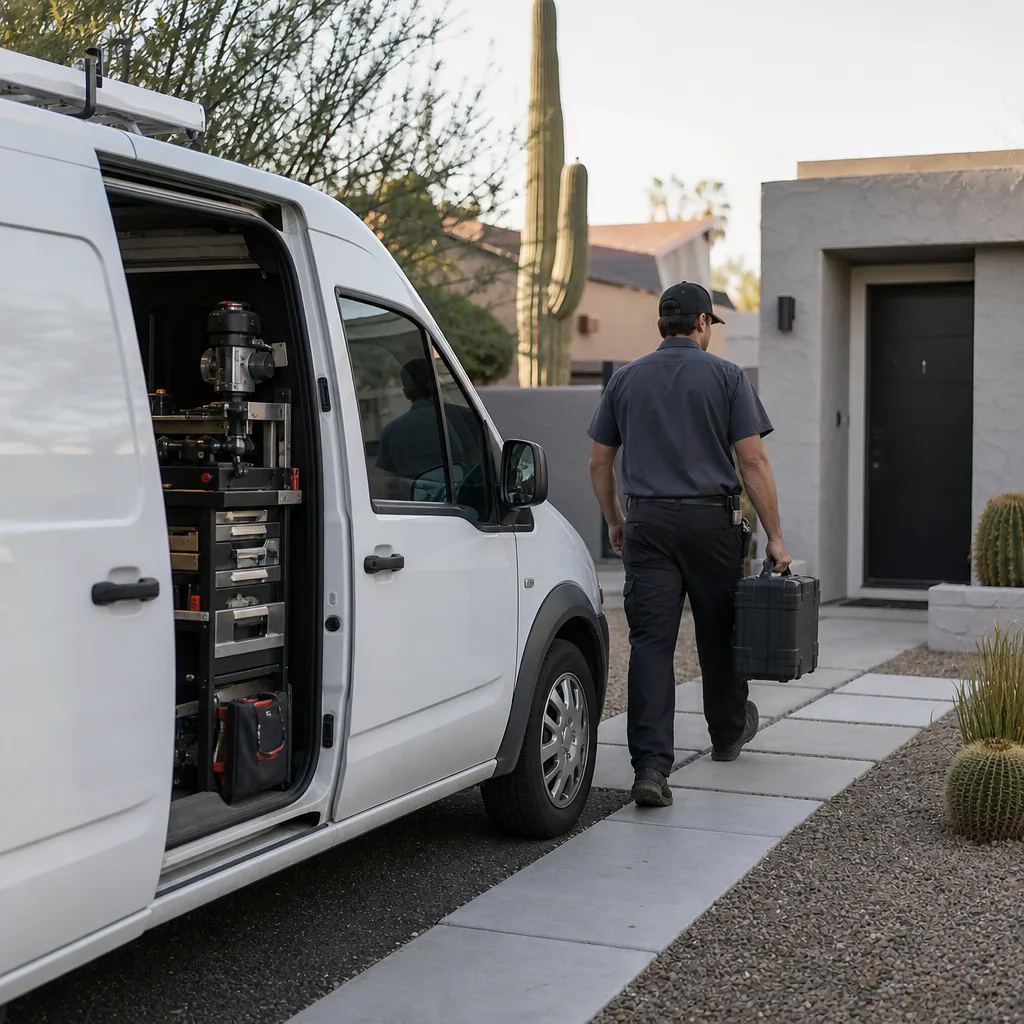
Documentation serves two purposes homeowners rarely consider: insurance claims after break-ins, and resale disclosure requirements. Arizona residential disclosure forms ask about known defects in security systems and hardware condition. A maintenance log with dated photos demonstrates due diligence.
Here’s the format we recommend, fitting on one printed page:
| Date | Season | Location/ Lock | Condition Found | Action Taken | Photo Ref |
|---|---|---|---|---|---|
| 5/15/2025 | Pre-monsoon | Front door / Schlage B60 | Light dust in keyway, strike slightly low | Graphite lube, strike filed 1/16″ | IMG_2047 |
| 10/3/2025 | Post-monsoon | Front door / Schlage B60 | Weatherstrip compressed, UV fading on escutcheon | Weatherstrip replaced, noted for future hardware upgrade | IMG_2156 |
| 1/12/2026 | Winter | Garage service door / Kwikset 660 | Key residue, slow return on latch | Cylinder cleaned, graphite applied, battery in keypad checked | IMG_2234 |
Store this with your home maintenance records. If you file an insurance claim for forced entry, the adjuster will ask when locks were last serviced. “We have a log with photos” accelerates that conversation significantly.
For customers who prefer we maintain the record, every Novak Lock & Security Phoenix visit includes the documented photo record as standard. We can provide a printed or PDF summary of all work performed on your property since 2002, when our digital records begin.
Common Mistakes to Avoid
- Using WD-40 in a lock. WD-40 is a water displacer, not a lubricant. In Phoenix heat, it becomes a sticky varnish that traps dust. We’ve replaced cylinders that were “maintained” monthly with WD-40 and filled with black sludge.
- Ignoring south-facing hardware. Locks on south-facing doors in Phoenix receive direct sun for 8+ hours daily. UV damage and thermal cycling are accelerated. These locks need inspection twice yearly, not once.
- Planing a swollen door in July. A wood door swollen from monsoon humidity will shrink in October. Remove material in July and you’ll have a rattling, insecure door by January. Adjust the strike or wait.
- Replacing a sticking lock without checking the frame. We see this on DIY forums constantly: “My deadbolt sticks, I need a new lock.” Often the lock is fine; the frame has shifted. A $200 hardware replacement doesn’t fix a $0 strike adjustment.
- Using graphite on electronic keypads. Graphite is conductive. A puff into a keypad lock can short the membrane or circuit board. Use only manufacturer-specified lubricants on electronic components.
- Skipping winter inspection because “it’s mild.” Condensation in uninsulated garages causes more pin corrosion calls in January than any other failure mode. The inspection takes five minutes.
- Not documenting rekey dates. When you rekey, note who has keys. For rental properties, this is essential for liability. For owner-occupied homes, it matters when you later can’t remember if the pet-sitter returned their copy.
When to Call a Professional
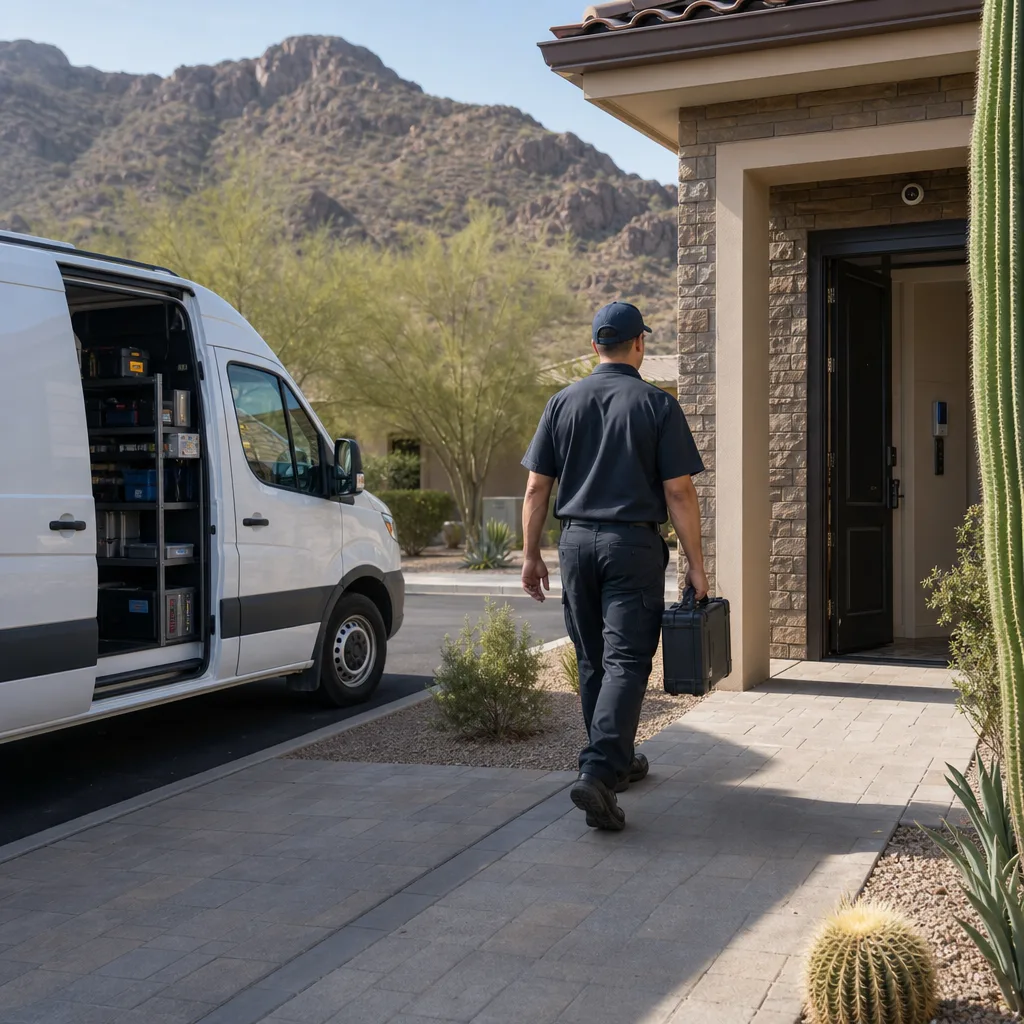
Some conditions require tools and training most homeowners don’t have. Call a locksmith when: the deadbolt won’t extend fully and the strike adjustment doesn’t resolve it (possible frame structural issue); keys work intermittently or at odd angles (worn pin chambers requiring repinning or replacement); you’re upgrading to high-security cylinders and need precise pinning to match existing master key systems; or you’ve experienced a break-in or attempted break-in and need damage assessment plus security gap analysis.
Commercial Locksmith in Phoenix applications - multi-tenant buildings, access control integration, or master key systems - should always be surveyed in person. We don’t quote commercial master key work over the phone; we inspect, measure, and provide a written scope with flat per-lock pricing.
Novak Lock & Security Phoenix offers free estimates in Phoenix - call (480) 376-7170. Every estimate includes a written price before any work begins, per Haven Standard Clause 1. We also offer free second opinions on any competitor’s written estimate.
Frequently Asked Questions
A seasonal inspection and lubrication service for a typical Phoenix home with 2-3 exterior doors runs $85-$145, quoted in writing before we dispatch. Rekeying adds $19-$29 per cylinder. There is no call-out surcharge added on arrival. Call (480) 376-7170 for an exact quote - estimates are free.
Yes. Haven Standard Clause 1 states that the price quoted by the dispatcher is the price on the invoice. Our technicians are contractually prohibited from changing it at the door. This rule has been in place since 2002. If we discover additional work is needed, we stop, call the office, and you approve a new written price before we continue.
Our average response time for residential lockouts in central Phoenix is 20-35 minutes during standard hours, 35-50 minutes overnight. Calls are answered by a live person, 24/7, with no voicemail queue or callback window. The exact arrival window and price are confirmed before dispatch.
We are state-licensed, insured, and bonded. Our Arizona Registrar of Contractors license number and insurance certificates are available on request. Every technician is background-checked and uniformed, with a documented photo record left with you at job completion. Since 2002, we’ve installed or serviced over 60,000 locks, keys, and systems - every one with a written price before we started and a documented record when we left.
We don’t recommend it. Silicone spray stays wet longer and attracts dust. In Phoenix’s dusty environment and sustained 110°F+ temperatures, it turns to a gummy residue within weeks. Graphite stays dry, doesn’t attract dust, and performs from 0°F to 150°F. We use graphite on every maintenance call and have since 2002.
Rekey immediately. You cannot know how many copies of the previous owner’s key exist - contractors, cleaners, neighbors, former tenants. In Phoenix’s active resale market, especially in areas with high investor turnover like parts of South Phoenix and the East Valley, rekeying before move-in is standard practice. We rekey most new purchases within 48 hours of closing, with the price quoted in writing: typically $75-$125 for a standard 2-3 door home.
For residential entry doors, we specify Schlage Grade 1 deadbolts as the minimum for durability in thermal cycling. For homeowners prioritizing security over cost, Mul-T-Lock and Abloy high-security cylinders resist picking, bumping, and drilling - important in Phoenix, where burglary rates spike in summer when residents leave windows open for ventilation. Access Control Systems in Phoenix add electronic logging for properties requiring audit trails. We quote all options in writing before installation.
The Bottom Line
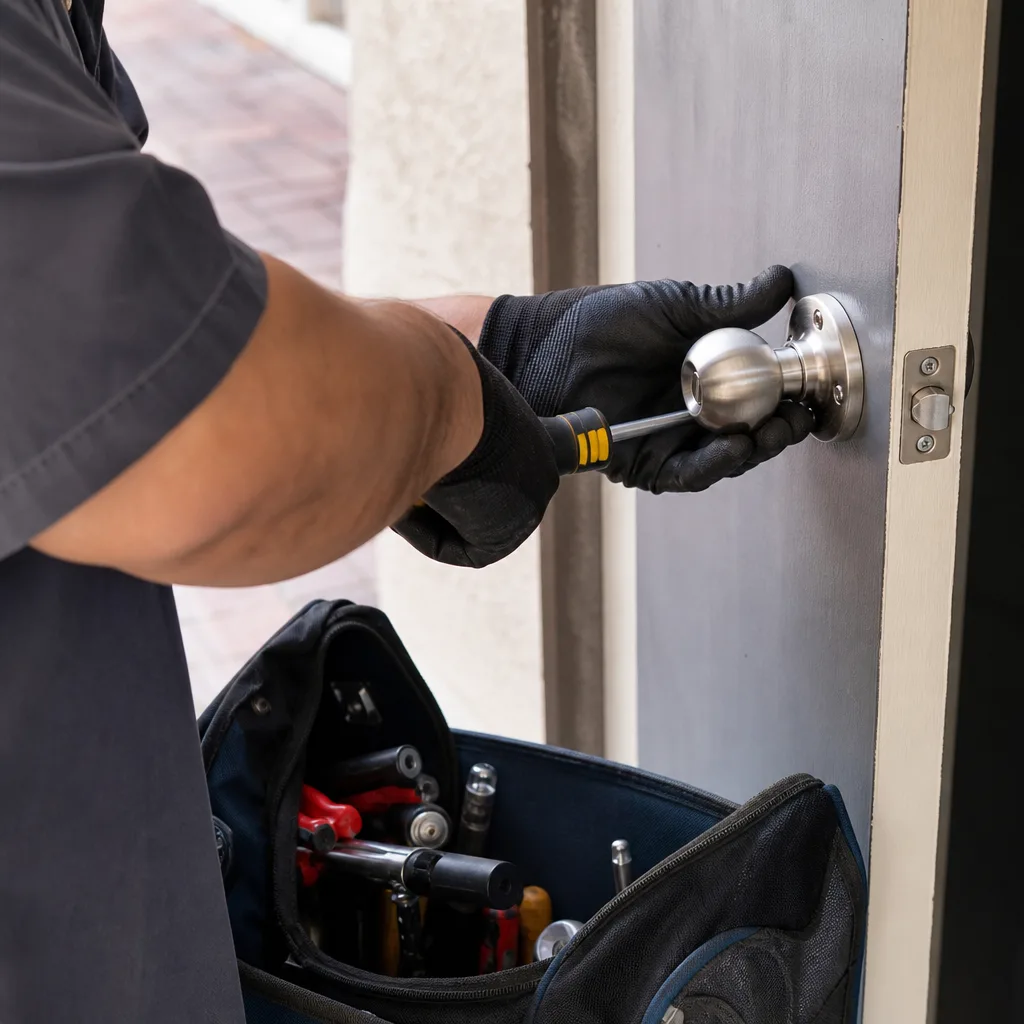
Phoenix’s unique climate demands a maintenance calendar built around pre-monsoon, monsoon, and peak summer stress points, not generic four-season advice. For a deeper dive, see The Complete Guide to Locksmith in Phoenix. Clean and lubricate in May with graphite, assess swelling and weatherstripping in October, watch for thermal misalignment in July, and don’t ignore condensation in January. Document everything. Use the right lubricant for 110°F dust. Know when adjustment is DIY and when it signals a structural issue requiring professional diagnosis. The lock that fails in July was probably showing signs in May - if you knew what to look for.
Written by Daniel Novak, Owner at Novak Lock & Security Phoenix, serving Phoenix since 2002. Explore more guides & resources on our blog.